

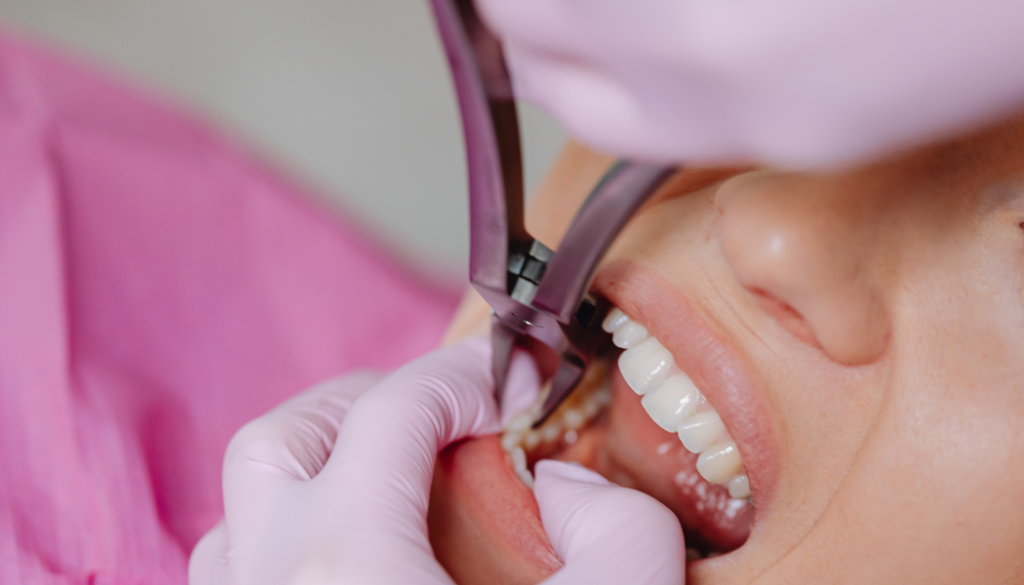
A molar tooth extraction is a routine dental procedure that helps relieve pain, remove infection, and protect your overall oral health. Whether you’ve had a simple extraction or a surgical procedure, following the right aftercare steps is essential for a smooth recovery. Proper healing not only minimizes discomfort but also reduces the risk of complications such as infection or dry socket.
At Queens Elite Medical Center, patients receive comprehensive post-treatment guidance to ensure a safe and comfortable recovery after a molar tooth extraction.
What to Expect After a Molar Tooth Extraction
It is normal to experience mild discomfort after your extraction. Most patients notice:
- Mild bleeding for the first few hours
- Swelling around the extraction site
- Tenderness while chewing
- Slight jaw stiffness
- Minor bruising in some cases
These symptoms usually improve within a few days when you follow your dentist’s instructions carefully. Most patients recover within 3–7 days, although complete healing of the gum and bone takes longer.
The First 24 Hours Are the Most Important
The first day plays a major role in protecting the blood clot that forms inside the extraction socket. This clot is essential for proper healing.
Control Bleeding
Your dentist will place gauze over the extraction site.
- Bite gently on the gauze for the recommended time.
- Replace it only if instructed.
- Avoid excessive spitting.
A small amount of bleeding is normal during the first several hours.
Reduce Swelling
Apply an ice pack to the outside of your cheek.
A common approach is:
- 15–20 minutes on
- 15–20 minutes off
Continue this during the first 24 hours to help minimize swelling.
Rest
Avoid strenuous physical activities, heavy lifting, or exercise on the day of your extraction. Resting allows your body to focus on healing.
Protect the Blood Clot
One of the most common complications after tooth extraction is dry socket, which occurs when the blood clot becomes dislodged before the area has healed.
To protect the clot:
- Do not use drinking straws.
- Avoid smoking or vaping.
- Avoid forceful rinsing.
- Do not spit repeatedly.
- Avoid touching the extraction site with your tongue or fingers.
These simple precautions significantly improve healing.
Choose Soft Foods
Eating the right foods helps your mouth heal comfortably.
Good choices include:
- Yogurt
- Mashed potatoes
- Oatmeal
- Applesauce
- Smooth soups
- Scrambled eggs
- Cottage cheese
- Soft pasta
- Smoothies (without a straw)
Drink plenty of water throughout the day to stay hydrated.
Foods to Avoid
Certain foods can irritate the extraction site or delay healing.
Avoid:
- Hard foods
- Crunchy snacks
- Nuts
- Popcorn
- Chips
- Sticky candies
- Spicy foods
- Very hot drinks
- Alcohol
Gradually return to your regular diet only after your dentist confirms your healing is progressing well.
Take Medications Exactly as Prescribed
Your dentist may prescribe:
- Pain relievers
- Anti-inflammatory medication
- Antibiotics (if necessary)
Always complete the full course of antibiotics, even if you begin feeling better after a few days.
Never take medications beyond the recommended dosage.
Keep Your Mouth Clean
Good oral hygiene reduces the risk of infection.
During the first day:
- Avoid vigorous rinsing.
After 24 hours:
- Rinse gently with warm salt water several times daily.
- Brush your teeth carefully while avoiding the extraction site.
- Continue flossing the remaining teeth normally.
Maintaining oral hygiene promotes faster recovery.
Manage Swelling and Discomfort
Swelling generally peaks during the first 48 hours before gradually improving.
Helpful tips include:
- Continue using cold compresses during the first day.
- Sleep with your head slightly elevated.
- Eat cool, soft foods.
- Follow your pain management plan.
Most patients experience noticeable improvement within three days.
Avoid Smoking and Alcohol
Smoking is one of the biggest factors that slows healing after tooth extraction.
Smoking can:
- Delay tissue repair
- Increase infection risk
- Cause dry socket
- Prolong pain
Similarly, alcohol may interfere with healing and interact with prescribed medications.
Avoid both until your dentist advises it is safe.
Return to Daily Activities Gradually
Many patients return to work or school within one or two days after a simple molar extraction.
However, if your extraction was more complex or surgical, you may need additional recovery time.
Avoid:
- Heavy workouts
- Running
- Weightlifting
- Physically demanding jobs
Resume normal activities only when you feel comfortable.
Warning Signs That Need Immediate Dental Care
Although complications are uncommon, contact your dentist immediately if you experience:
- Heavy bleeding that doesn’t stop
- Severe pain after several days
- Increasing swelling
- Fever
- Pus or unusual discharge
- Difficulty swallowing
- Persistent numbness
Early treatment helps prevent more serious problems.
Follow-Up Appointments Matter
Your dentist may schedule a follow-up visit to:
- Check the healing process
- Remove stitches if necessary
- Monitor for infection
- Discuss tooth replacement options if needed
Keeping these appointments helps ensure long-term oral health.
Replacing a Missing Molar
Molars play an important role in chewing and maintaining proper bite alignment.
After healing, your dentist may recommend replacing the missing tooth with:
- A dental implant
- A dental bridge
- A partial denture
Replacing a missing molar helps prevent nearby teeth from shifting and restores normal chewing function.
Why Choose Queens Elite Medical Center?
At Queens Elite Medical Center, every molar tooth extraction is performed using modern techniques designed to maximize patient comfort and promote quicker recovery.
Patients benefit from:
- Experienced dental professionals
- Advanced digital imaging
- Gentle extraction techniques
- Modern pain management
- Personalized aftercare guidance
- Comfortable treatment environment
The team focuses on making every stage of treatment—from diagnosis to recovery—as smooth and stress-free as possible.
Conclusion
Recovering after a molar tooth extraction is usually straightforward when you follow your dentist’s instructions. Resting, eating soft foods, protecting the extraction site, maintaining good oral hygiene, and attending follow-up visits all contribute to a faster and more comfortable recovery.
If you’re looking for expert molar tooth extraction in Dubai, Queens Elite Medical Center provides compassionate care, advanced dental technology, and comprehensive aftercare to help you return to your daily routine with confidence.