

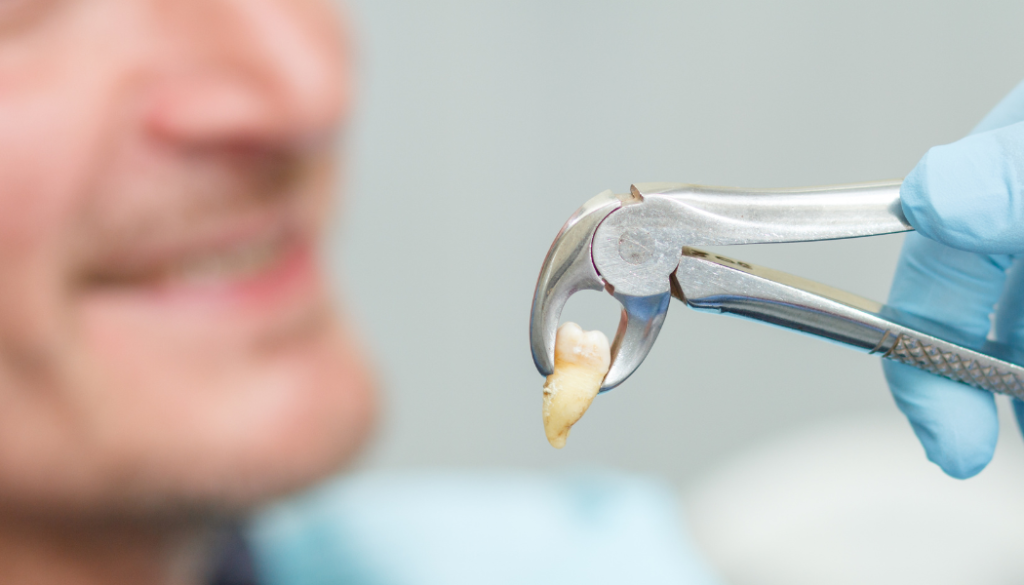
A surgical tooth extraction is a common dental procedure used when a tooth cannot be removed through a simple extraction. This may be necessary for impacted wisdom teeth, broken teeth below the gum line, severely decayed teeth, or teeth affected by infection. Proper preparation before your appointment can reduce stress, minimize complications, and promote faster healing.
What Is a Surgical Tooth Extraction?
Unlike a simple extraction, a surgical extraction involves making a small incision in the gum to access the tooth. In some cases, a small amount of bone may need to be removed, or the tooth may be divided into smaller pieces for easier removal. Modern dental techniques and local anesthesia ensure the procedure is as comfortable as possible for patients.
When Is Surgical Tooth Extraction Needed?
Your dentist may recommend a surgical extraction if you have:
- Impacted wisdom teeth
- A tooth broken below the gum line
- Severe tooth decay that cannot be restored
- Advanced dental infection
- Overcrowded teeth before orthodontic treatment
- Teeth associated with cysts or other oral complications
Early treatment helps prevent pain, infection, and damage to neighboring teeth.
Your Initial Consultation
The preparation process begins with a comprehensive dental examination.
During your consultation, your dentist will:
- Review your dental and medical history
- Examine your teeth and gums
- Take digital X-rays or 3D scans
- Discuss treatment options
- Explain the procedure and recovery process
This personalized evaluation helps create the safest treatment plan for your specific dental condition.
Inform Your Dentist About Your Medical History
Before surgery, be sure to tell your dentist if you:
- Have diabetes or heart disease
- Take blood-thinning medications
- Have high blood pressure
- Are pregnant
- Have allergies to medications
- Smoke or use tobacco products
- Have had previous complications with anesthesia
Providing accurate medical information allows your dental team to take appropriate precautions.
Follow Pre-Procedure Instructions Carefully
Depending on your treatment plan, your dentist may provide specific instructions before surgery.
These may include:
Eat as Directed
If your procedure will be performed under local anesthesia only, you may be allowed to eat a light meal beforehand. If sedation is planned, you may need to avoid food and drinks for several hours before your appointment.
Take Prescribed Medications
Some patients may receive antibiotics or other medications before surgery to reduce the risk of infection.
Only take medications exactly as instructed by your dentist.
Wear Comfortable Clothing
Choose loose, comfortable clothing and avoid wearing heavy makeup or jewelry on the day of your appointment.
Arrange Transportation
If sedation is being used, arrange for a family member or friend to drive you home after the procedure.
Preparing Your Home for Recovery
Setting up your recovery space before your appointment makes healing much easier.
Have these items ready:
- Ice packs
- Soft pillows
- Gauze pads
- Prescribed medications
- Soft foods
- Plenty of water
Planning ahead allows you to focus entirely on resting after surgery.
Stock Up on Soft Foods
Your mouth will be sensitive for several days after the procedure.
Good food choices include:
- Yogurt
- Mashed potatoes
- Smooth soups
- Applesauce
- Scrambled eggs
- Smoothies (without using a straw)
- Oatmeal
- Soft pasta
Avoid crunchy, spicy, hard, or very hot foods during the early healing period.
What Happens During the Procedure?
Although every case is unique, most surgical extractions follow similar steps:
Step 1: Local Anesthesia
Your dentist numbs the treatment area so you remain comfortable throughout the procedure.
Step 2: Small Incision
A small opening is made in the gum to access the tooth.
Step 3: Tooth Removal
If necessary, the tooth is divided into smaller sections before being carefully removed.
Step 4: Cleaning the Area
The extraction site is cleaned to remove any debris and reduce infection risk.
Step 5: Stitches
Depending on the procedure, dissolvable or removable stitches may be placed to support healing.
Tips for Reducing Anxiety Before Surgery
Feeling nervous is completely normal.
You can reduce anxiety by:
- Asking your dentist questions beforehand
- Understanding each step of the procedure
- Listening to calming music before your appointment
- Practicing slow breathing exercises
- Arriving early to avoid feeling rushed
Many clinics also offer sedation options for patients with significant dental anxiety.
Immediate Aftercare
The first 24 hours are the most important for healing.
Your dentist will usually recommend that you:
- Bite gently on gauze to control bleeding
- Apply ice packs for swelling
- Rest for the remainder of the day
- Avoid smoking and alcohol
- Avoid vigorous rinsing or spitting
- Do not use drinking straws
Following these instructions helps protect the blood clot and reduces the risk of dry socket.
Recovery Timeline
Recovery varies depending on the complexity of the extraction.
Generally, patients can expect:
- Day 1: Mild bleeding and swelling
- Days 2–3: Swelling gradually decreases
- Days 3–7: Most discomfort improves significantly
- One to two weeks: Soft tissue continues healing
- Several weeks: Complete bone healing progresses
Most people return to normal daily activities within a day or two, while complete healing takes longer.
Warning Signs to Watch For
Contact your dentist immediately if you experience:
- Heavy bleeding that does not stop
- Severe pain after several days
- Persistent swelling
- Fever
- Pus or unpleasant discharge
- Difficulty swallowing or breathing
Prompt treatment can prevent more serious complications.
Why Choose Queens Elite Medical Center?
Choosing an experienced dental team plays an important role in a successful surgical extraction.
At Queens Elite Medical Center, patients benefit from:
- Experienced dentists and oral surgeons
- Advanced digital imaging and modern equipment
- Personalized treatment planning
- Comfortable, patient-focused care
- Comprehensive aftercare support
Every procedure is performed with precision to ensure the safest and most comfortable experience possible.
Conclusion
Preparing for a surgical tooth extraction doesn’t have to be overwhelming. Understanding the procedure, following your dentist’s instructions, and planning your recovery in advance can make the entire experience much easier. With expert care and proper aftercare, most patients recover quickly and return to their normal routines with improved oral health.
If you’re considering surgical tooth extraction in Dubai, Queens Elite Medical Center provides advanced, compassionate care from consultation through recovery, helping you achieve a healthier smile with confidence.