

Invisalign First in Dubai: Clear Aligners for Kids
- Designed for children aged about 6 to 10
- Planned by a DHA-licensed Specialist Orthodontist and Diamond Invisalign Provider
- No brackets or wires, so no food lists
- Free first consultation
Clear Aligners Made for Growing Smiles
Invisalign First is designed for children aged about 6 to 10, while baby teeth and adult teeth are still sharing the mouth. Instead of waiting for every adult tooth to arrive, it starts working during this growth stage to shape the dental arch and make room for the teeth still to come.
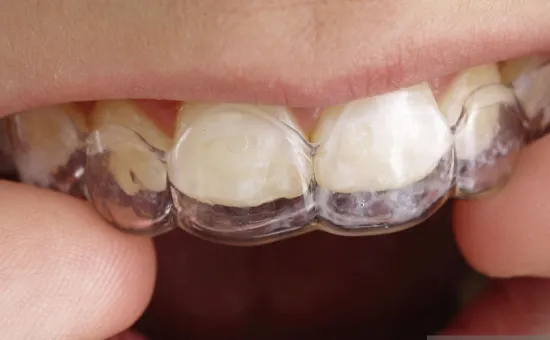
Each set of aligners is planned around your child’s changing smile, leaving space for new teeth as they come through. Small tooth-coloured attachments help the aligners grip shorter baby teeth. Your child simply pops the aligners out for meals, snacks and brushing, so school lunches and daily routines stay the same. Your orthodontist will explain how long to wear them each day and check progress at every visit.
What is Invisalign First?
Invisalign First is a set of clear aligners made for children who still have a mix of baby teeth and adult teeth. It is a form of phase 1 treatment: orthodontic care that starts while the jaws are still growing.
Adult aligners move teeth that are already in place. Invisalign First is designed differently. It can help develop the shape of the dental arch, create space for adult teeth that haven’t come through yet, and allow room for teeth that are still erupting. The aligners are made of flexible SmartTrack material and are changed about once a week, as your orthodontist advises.
Because the aligners come out for meals and brushing, children can eat normally and keep their teeth clean more easily than with fixed appliances.
How Invisalign First is designed for growing teeth
-
Room for erupting teeth:
the aligners allow space for adult teeth that are still coming through, so treatment can continue as the smile changes. Align calls this eruption compensation.
-
Grip on short teeth
baby teeth and newly erupted teeth have short crowns. Small tooth-coloured attachments help the aligners hold and move them.
-
Gentle, constant pressure
the aligners are made from SmartTrack, a flexible material designed to apply steady force for comfortable tooth movement.
-
Planned arch development
the treatment plan sets out, stage by stage, how the dental arch will be shaped to make space.
-
Optional wear indicators
small blue dots that fade as the aligners are worn, helping parents see whether the aligners are being worn enough.
Signs your child may benefit from Invisalign First
- Adult front teeth coming in crooked, twisted or behind other teeth
- Baby teeth that are very crowded, with no gaps between them by around age 6 (gaps usually help make room for larger adult teeth)
- Upper front teeth that stick out noticeably
- Teeth that knock or catch together when your child bites
- A narrow smile, where the back teeth are hard to see when your child smiles
- Baby teeth lost much earlier or later than other children of the same age
What Invisalign First can treat
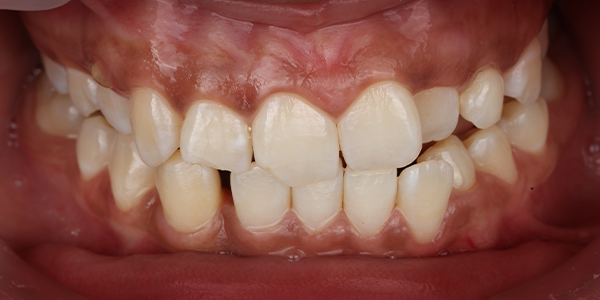
Cross Bite
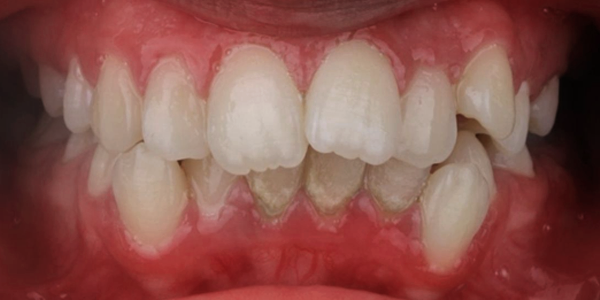
Crooked Teeth
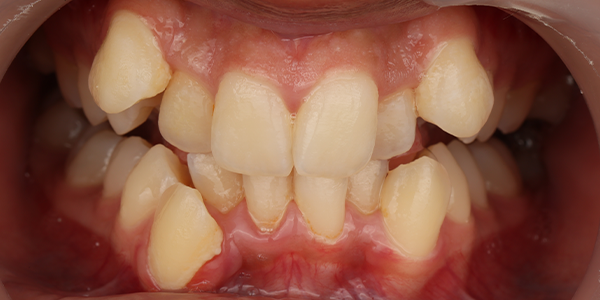
Crowded Teeth
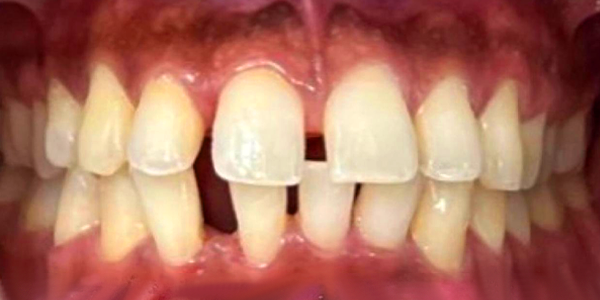
Gap Teeth
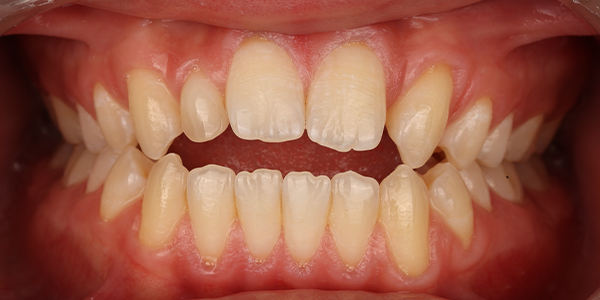
Open Bite
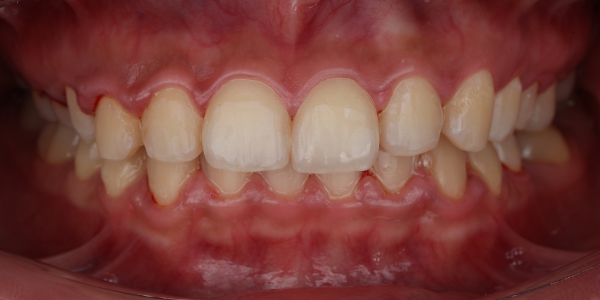
Over Bite
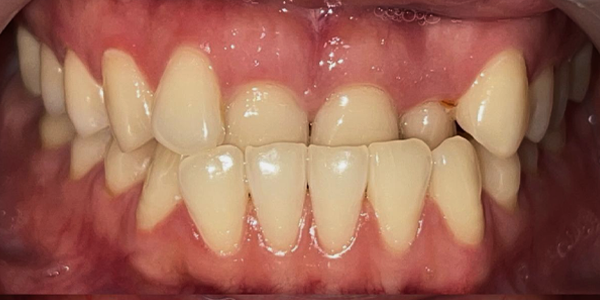
Under Bite
When another treatment may be better
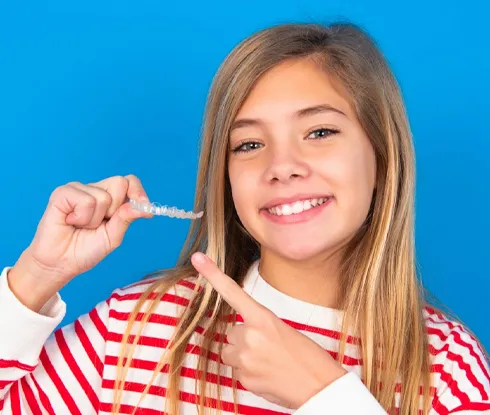
Is your child ready for Invisalign First?
- Their first permanent molars (the back adult teeth that usually appear around age 6) have come throug
- Some front adult teeth are coming through
- They still have a good number of baby teeth at the sides of the mouth
- They can wear aligners for most of the day and night and take them out only to eat and brush
The best way to know is an orthodontic assessment. Many orthodontists recommend a first check around age 7, even when no treatment is needed yet.
Why start between 6 and 10?
- • Create room for adult teeth, which can reduce crowding later
- • Protect front teeth that stick out from knocks and chips
- • Guide how the teeth come in, rather than correcting them afterwards
- • Make any later treatment simpler or shorter
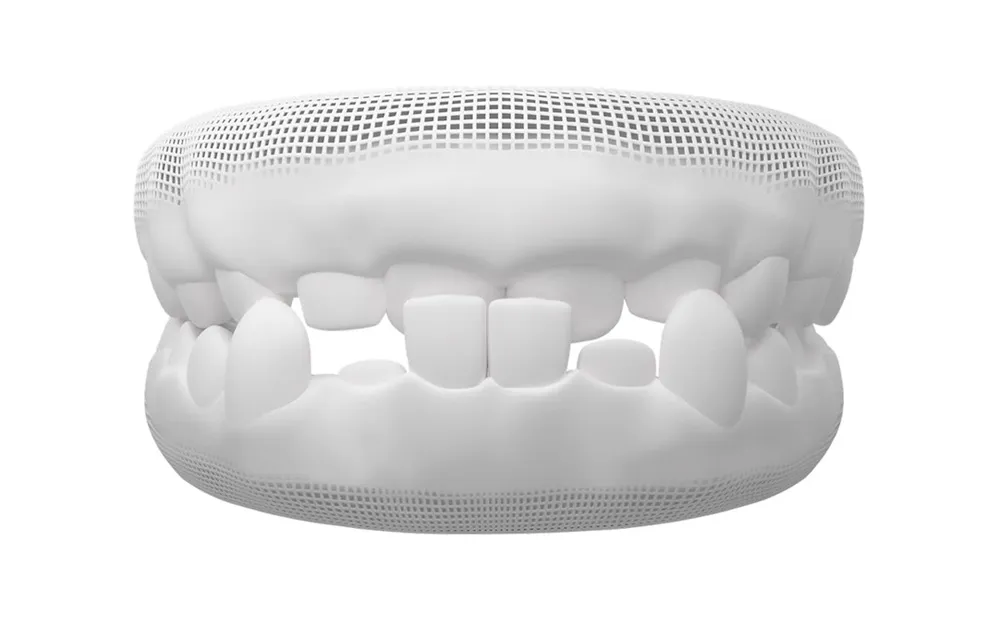
Invisalign First, Expanders or Early Braces?
Three common ways to treat orthodontic problems in children aged 6 to 10. Here's how they compare day to day.
| Removable alignersInvisalign First | Fixed appliancePalatal expander | Fixed applianceEarly braces | |
|---|---|---|---|
| Removable | Yes | No | No |
| Visible | Nearly invisible | Sits on the roof of the mouth | Visible brackets and wires |
| Eating | No food restrictions (aligners out for meals) | Avoid hard and sticky foods | Avoid hard and sticky foods |
| Brushing | Normal brushing and flossing | Harder to clean around | Harder to clean around brackets |
| Main use | Arch development, crowding, spacing, protruding front teeth | Widening a narrow upper jaw | Aligning teeth, usually once more adult teeth are in |
| Depends on wear time | Yes, most of the day and night | No (fixed) | No (fixed) |
The right option depends on your child's teeth, jaw growth and routine. Your orthodontist will recommend one and explain the reasons.
How Invisalign First treatment works at our clinic
-
Free consultation:
we examine your child's teeth, bite and jaw growth, and talk through your concerns.
-
Digital scan and records
a quick, comfortable digital scan replaces messy impressions, with X-rays if needed
-
3D treatment plan
you can see the planned tooth movements before treatment starts.
-
First aligners
we fit the first aligners and show you and your child how to put them in, take them out and clean them.
-
Check-ups
regular reviews to check progress and fit.
Preparing your child for the first visit
A relaxed first visit makes the rest of treatment easier. A few simple steps help:
- Explain it simply: tell your child the orthodontist will count and look at their teeth and take some pictures. There are no needles and nothing hurts.
- Bring what you have: any recent dental X-rays and your child's dental history, and a list of questions you'd like answered. Choose a good time: our clinic is open until 10 PM every day, so you can book after school without missing lessons.
- Let your child ask questions: children who understand what the aligners do tend to wear them more consistently.
- Choose a good time: our clinic is open until 10 PM every day, so you can book after school without missing lessons.
Life with Invisalign First: tips for parents
- Wear time: aligners work only when they're worn, usually 20 to 22 hours a day. Your orthodontist can add wear indicators that fade with use, so you can check at a glance.
- Eating: aligners come out for meals and snacks. Brush or rinse before putting them back in.
- Cleaning: rinse aligners and brush them gently with cool water every day.
- School: give your child an aligner case for lunchtime so the aligners don't get lost in a napkin.
- Sports: ask your orthodontist whether to wear a mouthguard for contact sports.
- Lost or broken aligner: call us. We'll tell you whether to move to the next set or wear the previous one while a replacement is made.
Helping your child get used to aligners
-
Pressure for a day or two
each new set can feel tight at first. Soft foods on the first evening can help, and the feeling usually settles quickly.
-
A slight lisp at first
some children sound slightly different for the first few days. Reading aloud or chatting at home helps the tongue adjust faster.
-
Build a routine
link aligner care to things your child already does, such as brushing after breakfast and before bed. A simple wear chart on the fridge works well for younger children.
-
Keep the case with them:
a bright, named case in the school bag makes lost aligners much less likely.
-
Praise consistency
celebrate milestones, such as each new set of aligners, to keep motivation high over the months of treatment.
-
Keep up dental check-ups:
routine check-ups and cleaning with our children's dentistry team continue as normal during treatment.
Will my child need braces later?
Sometimes. Phase 1 deals with problems that are easier to treat while the jaw is growing. Once all the adult teeth are in, usually between ages 11 and 14, some children need a second phase to fine-tune the bite. This may be with aligners or braces, depending on the case.
Many children need less treatment in phase 2, or none at all, but this varies from child to child. Your orthodontist will review this with you at the end of phase 1. Results can vary from person to person.
Invisalign First cost in Dubai
Your child's orthodontist: Dr. Divij Joshi
Invisalign First at Queens Elite Medical Center is planned and supervised by Dr. Divij Joshi, DHA-licensed Specialist Orthodontist (Licence No. 42423902-002) and Diamond Invisalign Provider.
Dr. Joshi holds a Master of Dental Surgery in Orthodontics and Dentofacial Orthopaedics, a specialty focused on how children’s jaws grow. He treats children, teens and adults, and chooses between aligners, braces and expanders based on what each child needs.






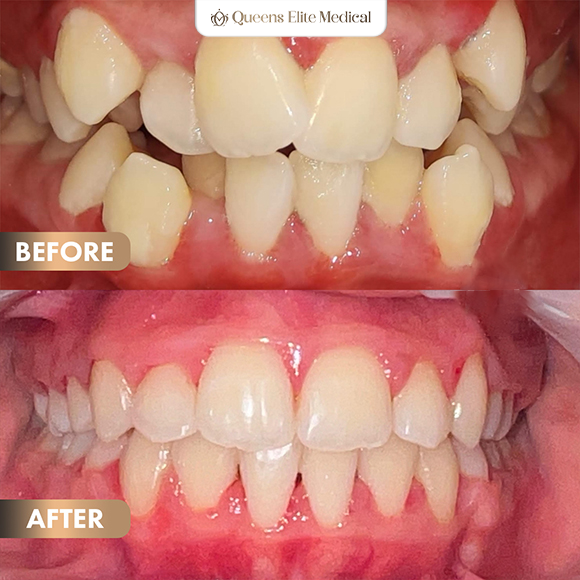
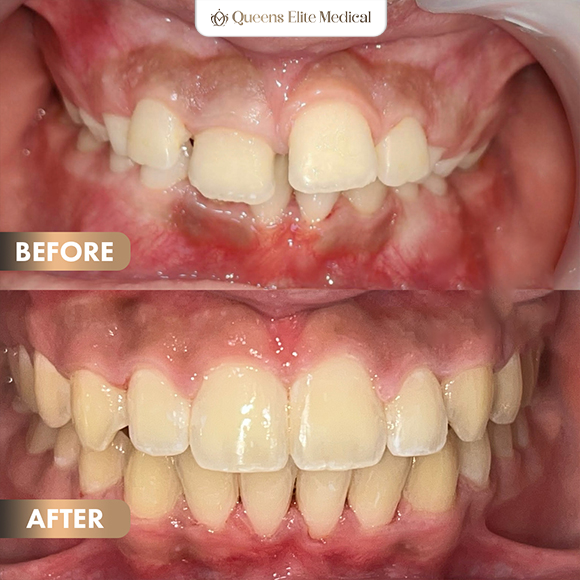
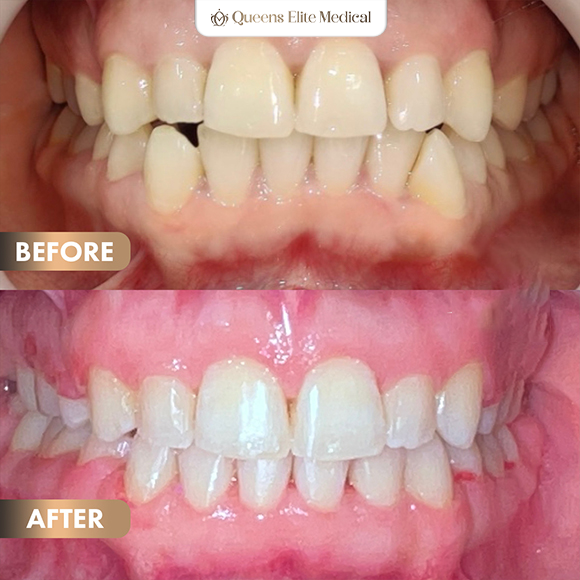
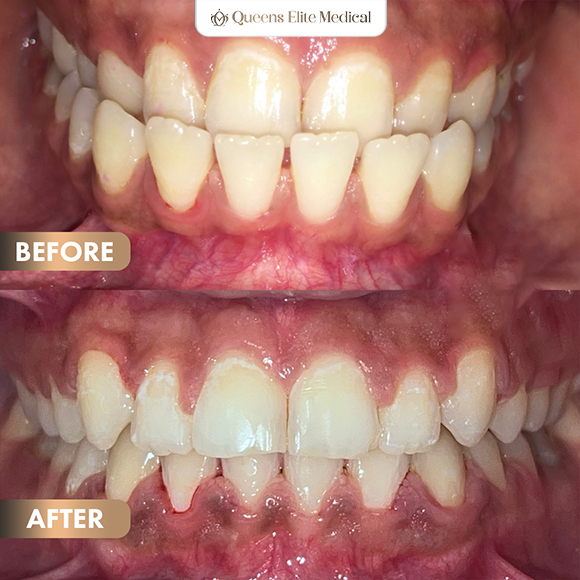
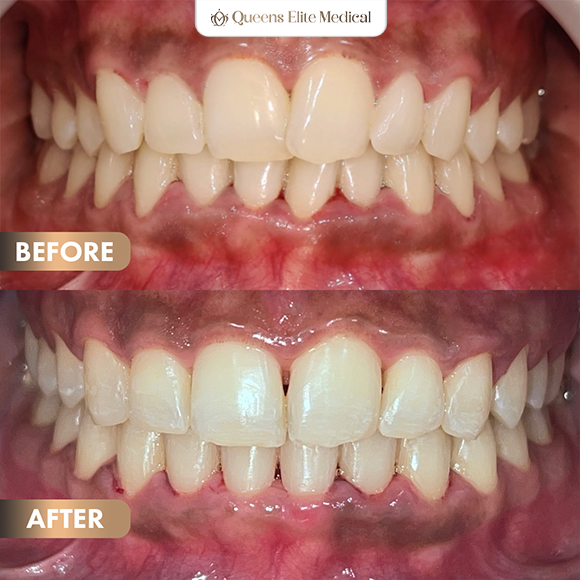
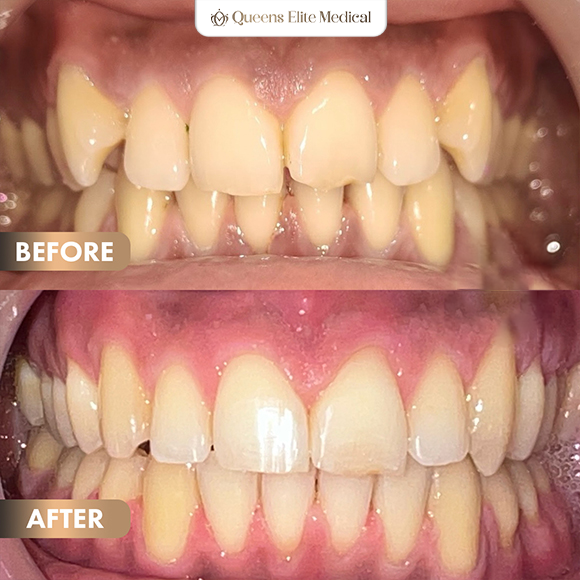
Before & After Cases
Book your child's Invisalign First consultation
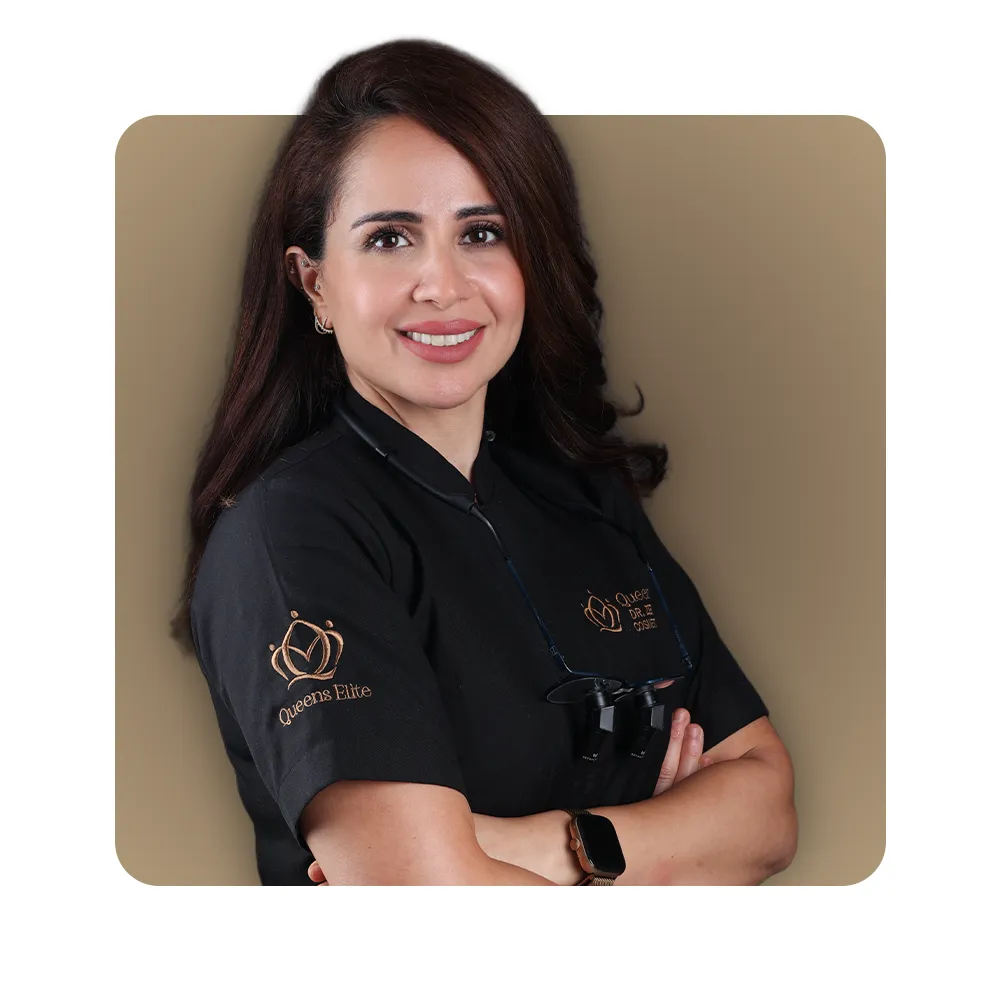
Meet the Smile Behind the Practice
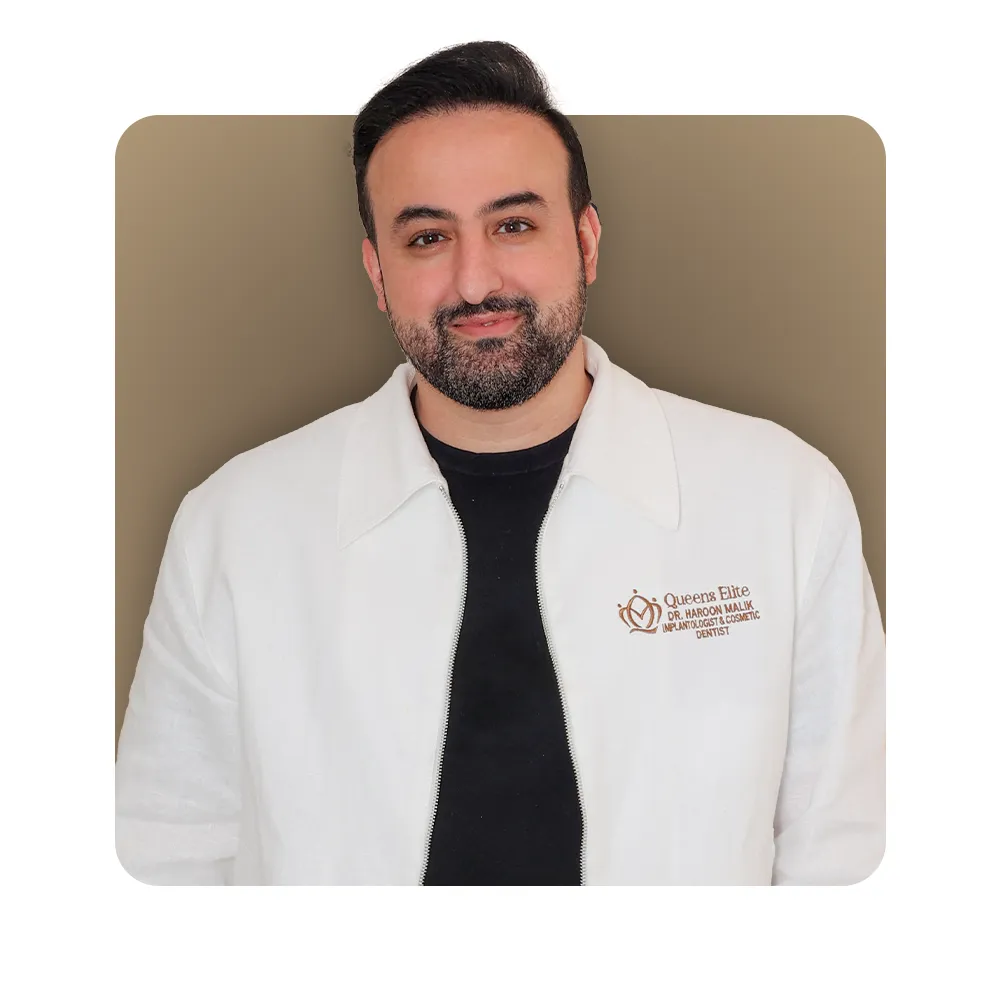
(Co-Founder)




Invisalign First FAQs
What age is Invisalign First for?
How long does Invisalign First take?
Does Invisalign First hurt?
Can my child eat normally with Invisalign First?
What if my child doesn't wear the aligners enough?
Is Invisalign First better than braces for kids?
How much does Invisalign First cost in Dubai?
The cost depends on the complexity of your child’s case and the length of treatment. At Queens Elite Medical Center it starts from AED 7000, and your written plan shows the full cost before you decide. Payment plans are available with Tabby, Tamara and Toothpick.
Is Invisalign First covered by insurance?
Can Invisalign First correct an overbite?
Can Invisalign First stop thumb-sucking?
Invisalign First is not designed to treat oral habits. If thumb-sucking or dummy use is affecting your child’s teeth, your orthodontist may suggest other ways to help first. Our guide on when children should stop thumb-sucking has practical tips.