

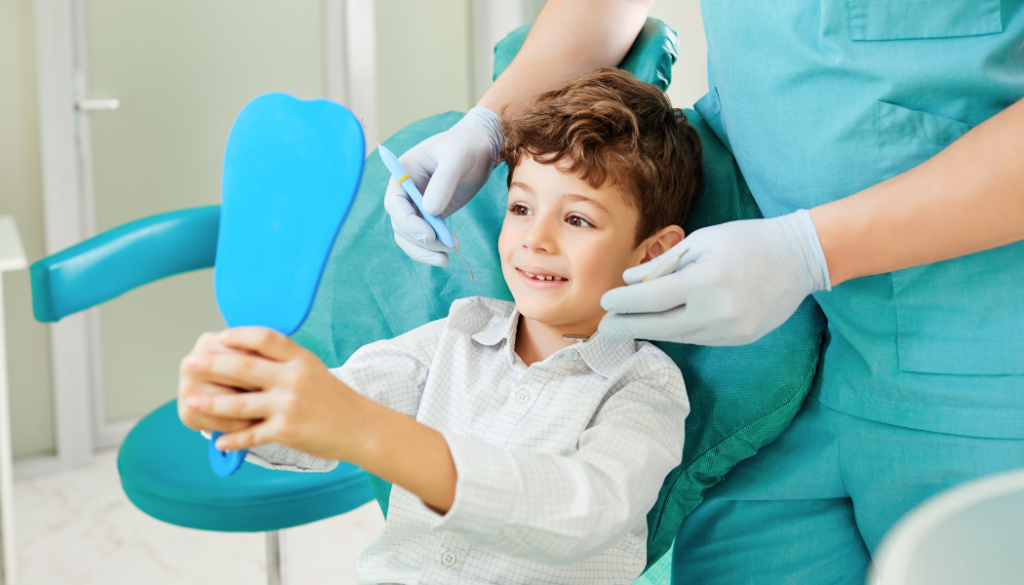
Visiting the dentist can be stressful for some children. Fear of unfamiliar sounds, dental instruments, or treatment procedures may make it difficult for them to stay calm during an appointment. Pediatric dental sedation can help selected children feel more relaxed and comfortable when appropriate. Sedation is one of several behaviour-guidance options used in pediatric dentistry and should always be chosen based on the child’s individual needs and a careful professional assessment.
At Queens Elite Medical Center, pediatric dentistry focuses on creating a warm, child-friendly environment and providing personalised care to help children feel safe and supported during their dental visits.
What Is Pediatric Dental Sedation?
Pediatric dental sedation involves using appropriate techniques or medications to help a child remain calm and cooperative during dental treatment. The goal is not simply to make a child sleep. Depending on the method used, the child may remain awake but feel more relaxed.
The type of sedation considered depends on several factors, including the child’s age, medical history, level of anxiety, ability to cooperate, and the type and length of dental treatment required. Parents should receive clear information about the benefits, risks, alternatives, and preparation requirements before sedation is used.
When Might a Child Need Dental Sedation?
Not every child needs sedation for dental treatment. Many children can be managed successfully with reassurance and child-friendly behaviour-guidance techniques.
However, sedation may be considered when a child:
- Has significant dental anxiety or fear
- Is unable to remain still during necessary treatment
- Requires lengthy or complex dental procedures
- Has difficulty cooperating because of age or developmental maturity
- Has special healthcare needs that make treatment challenging
- Needs help completing treatment safely and comfortably
The decision should always be made after an individual assessment by a qualified dental professional.
Common Approaches Used to Help Children Feel Comfortable
Pediatric dentists may use a range of approaches to reduce fear and anxiety. Basic techniques can include explaining procedures in simple language, positive reinforcement, distraction, and helping children become familiar with the dental environment. Sedation is generally considered as part of a broader, individualised approach when additional support is needed.
Depending on the child’s needs and the treatment plan, a dentist may discuss options such as inhalation sedation, other levels of sedation, or, in specific situations, general anesthesia. The most suitable option must be determined by the treating professionals based on the child’s individual circumstances.
How Is Safety Managed During Pediatric Dental Sedation?
Safety is an essential part of pediatric sedation. Professional guidelines emphasise careful assessment before sedation, appropriate monitoring during and after the procedure, trained personnel, suitable equipment, emergency preparedness, and ensuring that the child recovers appropriately before discharge.
Before treatment, the dental team may review your child’s medical history, current medications, allergies, and other factors that could affect sedation. Parents should also carefully follow all instructions provided by the dental team, including any guidance about eating and drinking before the appointment.
It is important to ask the dentist any questions you may have and share complete and accurate information about your child’s health.
How Parents Can Prepare Their Child
Parents can play an important role in making a dental visit easier. Try to speak positively about the appointment and avoid using frightening words that may increase anxiety.
You can also:
- Explain that the dentist is there to help keep their teeth healthy
- Encourage your child to ask questions
- Bring along a familiar comfort item if permitted
- Follow all pre-appointment instructions from the dental team
- Inform the dentist about medications, allergies, and relevant medical history
- Plan to stay with your child as instructed by the dental team
Following the dentist’s preparation and aftercare instructions is especially important when sedation is planned.
A More Positive Dental Experience for Children
A comfortable dental experience can help children develop healthier attitudes towards future dental visits. While sedation can be useful for selected patients, a personalized approach that considers the child’s emotional needs, medical history, dental treatment requirements, and available alternatives is essential.
At Queens Elite Medical Center, the pediatric dentistry team provides a calm and supportive environment for children. The clinic focuses on gentle techniques, personalised care, and helping young patients build positive experiences with dental care from an early age.
Conclusion
Dental anxiety should never prevent a child from receiving necessary oral care. For children who need additional support, pediatric dental sedation may be considered as part of an individualised treatment plan. A qualified pediatric dental professional can assess your child’s needs, explain the available options, and recommend the most appropriate approach for safe and comfortable treatment.
If your child feels nervous about visiting the dentist, schedule a consultation with a pediatric dental professional at Queens Elite Medical Center to discuss the best approach for their individual dental needs.
Disclaimer: This article is for general information only and does not replace professional medical or dental advice. Sedation decisions should always be made after an individual assessment by appropriately qualified healthcare professionals.