

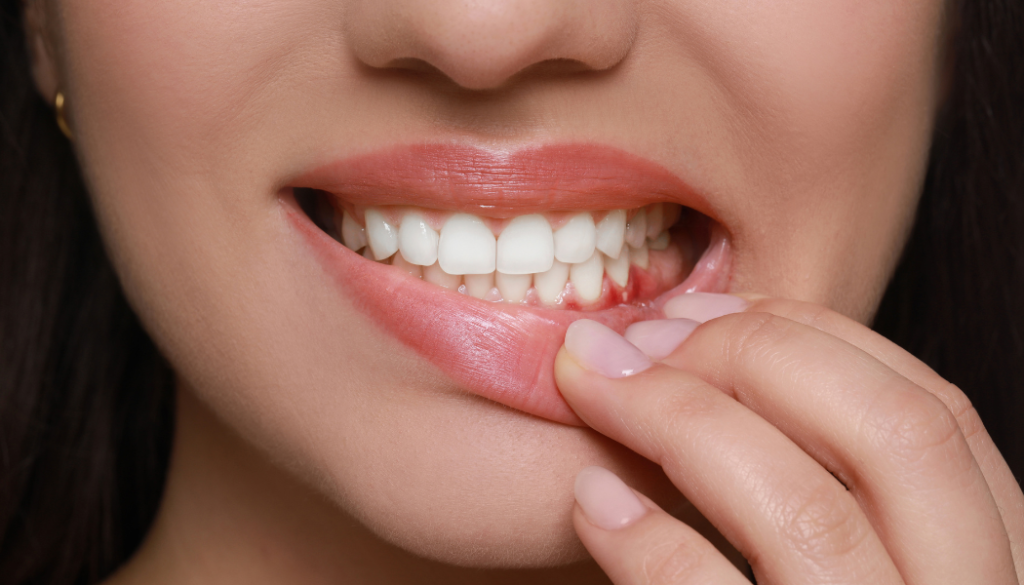
Gum disease can begin quietly. In many cases, people focus on their teeth and may overlook changes in their gums until the problem becomes more noticeable. A little bleeding while brushing, occasional bad breath, or mild gum swelling may seem harmless, but these signs can indicate that your gums need professional attention.
Healthy gums are an essential part of a healthy smile. They support your teeth and help protect the tissues beneath the gumline. When bacteria and plaque build up around the teeth, the gums can become irritated and inflamed. Recognising the warning signs early can help you take action before the condition progresses.
At Queens Elite Medical Center, patients can access comprehensive dental care and professional gum disease treatment in Dubai Marina. Understanding the symptoms of gum problems is an important first step towards protecting your oral health.
What Is Gum Disease?
Gum disease, also known as periodontal disease, is an infection and inflammation affecting the gums and the tissues that support the teeth. It usually develops when plaque builds up along and below the gumline.
Plaque is a sticky layer containing bacteria. If it is not removed effectively through regular brushing, cleaning between the teeth, and professional dental care, it can harden into tartar. This buildup can irritate the gums and cause inflammation.
Gum disease generally develops in stages. The early stage, known as gingivitis, affects the gums and may be managed more effectively with timely dental care. If left untreated, the condition can progress to periodontitis, which may affect the deeper structures supporting the teeth.
1. Bleeding Gums While Brushing or Flossing
Bleeding gums are one of the most common signs that should not be ignored. You may notice blood on your toothbrush, dental floss, or in the sink after brushing.
Healthy gums should not regularly bleed during normal oral hygiene. While brushing too aggressively can sometimes irritate the gums, repeated bleeding may indicate inflammation caused by plaque and bacteria near the gumline.
Many people ignore this symptom because it may not cause significant pain. However, persistent bleeding is a good reason to schedule a dental check-up.
2. Red, Puffy, or Swollen Gums
Changes in the appearance of your gums can also be an early warning sign. Healthy gums generally fit firmly around the teeth. When they become inflamed, they may appear redder than usual, swollen, or puffy.
You might notice swelling around one tooth or throughout several areas of your mouth. Your gums may also feel uncomfortable when touched.
Professional dental care can help identify the cause of the inflammation and determine the most appropriate treatment.
3. Tender or Sensitive Gums
Gum discomfort is another symptom worth paying attention to. Your gums may feel sore when brushing, flossing, or eating.
Some people avoid brushing sensitive areas because they are uncomfortable. Unfortunately, avoiding proper cleaning can allow more plaque to accumulate, potentially making the problem worse.
If gum tenderness continues, a dental examination can help determine whether the discomfort is related to gum inflammation or another oral health concern.
4. Persistent Bad Breath
Bad breath can occasionally result from foods, drinks, or temporary dryness in the mouth. However, persistent bad breath that continues despite brushing may indicate a deeper oral health issue.
Bacteria can collect around the teeth and gums, particularly in areas that are difficult to clean thoroughly. These bacteria can contribute to unpleasant odours and a persistent bad taste.
Regular professional cleaning and good oral hygiene are important for maintaining a fresh and healthy mouth. If bad breath keeps returning, it is worth discussing the problem with a dentist.
5. A Persistent Unpleasant Taste
An unusual or unpleasant taste in the mouth may occur alongside persistent bad breath. This can be associated with bacteria and plaque buildup around the teeth and gumline.
If the taste does not disappear after brushing and maintaining good oral hygiene, a professional dental examination may help identify the cause.
Small but ongoing changes in your mouth should not be overlooked, particularly when they occur alongside bleeding, swelling, or gum discomfort.
6. Receding Gums
Have your teeth started to look longer than they used to? This may be a sign of a gum recession.
Gum recession happens when the gum tissue gradually moves away from the tooth surface, exposing more of the tooth or root. It can lead to increased sensitivity and may affect the appearance of your smile.
Gum disease is one possible cause of gum recession, although other factors can also contribute. A dentist can assess your gums and recommend appropriate care based on the underlying cause.
7. Increased Tooth Sensitivity
When gums recede, areas of the teeth that were previously covered may become exposed. This can make the teeth more sensitive to hot, cold, sweet, or acidic foods and drinks.
Tooth sensitivity does not always mean gum disease, as it can also be caused by enamel wear, cavities, or other dental conditions. However, when sensitivity occurs together with receding or inflamed gums, it is important to have your oral health assessed.
8. Changes in Your Bite
Your teeth should normally come together in a familiar and comfortable way. If you notice changes in how your upper and lower teeth fit together, do not ignore them.
In more advanced gum problems, the tissues supporting the teeth can be affected. This may contribute to changes in tooth position or bite.
Any unexpected change in your bite should be evaluated by a dental professional to identify the reason and prevent further complications.
9. Loose or Shifting Teeth
Adult teeth should feel stable. If a tooth feels loose or appears to have moved from its usual position, professional dental care is important.
Advanced periodontal disease can affect the gums and structures that hold teeth in place. Loose teeth can also occur for other reasons, which is why an accurate dental assessment is essential.
Early diagnosis gives your dentist the opportunity to understand the cause and recommend the right treatment plan.
10. Pain or Discomfort While Chewing
Pain while chewing can be a sign that something is affecting your teeth, gums, or supporting tissues. Gum inflammation may cause tenderness around the teeth, while other dental problems can also make chewing uncomfortable.
Rather than waiting for the discomfort to disappear, it is better to identify the cause through a professional examination.
Prompt attention may help prevent a minor concern from developing into a more complex dental problem.
Why Early Detection of Gum Disease Matters
One of the challenges of gum disease is that it can develop gradually. The early stages may cause mild symptoms or little pain, making it easy to delay visiting a dentist.
Without appropriate care, gum disease can progress and affect the tissues that support the teeth. This can lead to deeper gum pockets, gum recession, changes in tooth stability, and other complications.
Early detection allows dental professionals to recommend treatment based on the condition and severity of your gum health. Professional cleaning may help manage early plaque and tartar buildup, while more advanced cases may require treatments such as scaling and root planing or other periodontal procedures.
Gum Disease Treatment at Queens Elite Medical Center
At Queens Elite Medical Center in Dubai Marina, gum disease treatment is tailored to the patient’s individual oral health needs. The clinic provides professional dental hygiene and periodontal care designed to address gum problems and support long-term oral health.
Depending on the condition of the gums, treatment options may include:
- Professional dental cleaning
- Scaling and polishing
- Scaling and root planing for deeper cleaning
- Laser-assisted gum treatment
- Pinhole gum rejuvenation for suitable cases of gum recession
- Periodontal maintenance and follow-up care
The appropriate treatment depends on the stage of gum disease and the patient’s individual dental condition. A professional examination is necessary before determining the most suitable approach.
How Can You Protect Your Gums?
Healthy daily habits can significantly support your gum health. Consider making these practices part of your routine:
Brush Twice a Day
Brush your teeth thoroughly using a suitable toothbrush and toothpaste. Pay particular attention to the area where the teeth meet the gums, as plaque often accumulates along the gumline.
Clean Between Your Teeth
Brushing alone may not effectively clean every space between the teeth. Floss or another dentist-recommended interdental cleaning method can help remove debris and plaque from these areas.
Do Not Ignore Bleeding
Occasional symptoms should not be dismissed if they keep returning. Repeated bleeding, swelling, or tenderness deserves professional attention.
Schedule Regular Dental Visits
Routine dental check-ups and professional cleanings help remove plaque and tartar that may be difficult to eliminate at home. They also allow dentists to identify potential problems at an early stage.
Follow Personalised Dental Advice
Every patient’s oral health needs are different. Your dentist can recommend a hygiene routine and follow-up schedule based on your individual condition.
When Should You See a Dentist?
Consider booking a dental consultation if you experience:
- Bleeding gums
- Red or swollen gums
- Persistent bad breath
- Gum tenderness
- Receding gums
- Increased tooth sensitivity
- Pain while chewing
- Loose or shifting teeth
- Changes in the way your teeth fit together
Even if the symptoms seem mild, an examination can help identify what is causing them.
Take Early Gum Warning Signs Seriously
Your gums provide vital support for your teeth, so changes in their health deserve attention. Bleeding during brushing, swelling, bad breath, or gum recession may seem like small problems, but they should not be ignored when they persist.
Taking action early can help you understand the cause of the symptoms and receive appropriate dental care before the problem becomes more serious. Good oral hygiene, regular dental visits, and professional treatment when needed all play an important role in maintaining healthy gums.
If you have noticed changes in your gums, visit Queens Elite Medical Center for a professional dental consultation. With personalised care and comprehensive dental services, you can take positive steps towards healthier gums, stronger teeth, and a confident smile.