

Dental implants are designed to provide a strong, stable, and long-lasting solution for missing teeth. However, if your implant crown, restoration, or the implant itself feels loose, it is important not to ignore the problem. Prompt evaluation by a qualified dentist can help identify the cause and prevent further complications.
At Queens Elite Medical, we provide comprehensive dental implant care in Dubai, including assessment and treatment planning for implant-related concerns. Our dental implant services use advanced diagnostic technology and personalized treatment approaches to support long-term oral health and implant function.
First, Identify What Feels Loose
Not every “loose dental implant” means the implant post has failed. In some cases, the crown attached to the implant may be loose, while the implant itself remains stable in the jawbone.
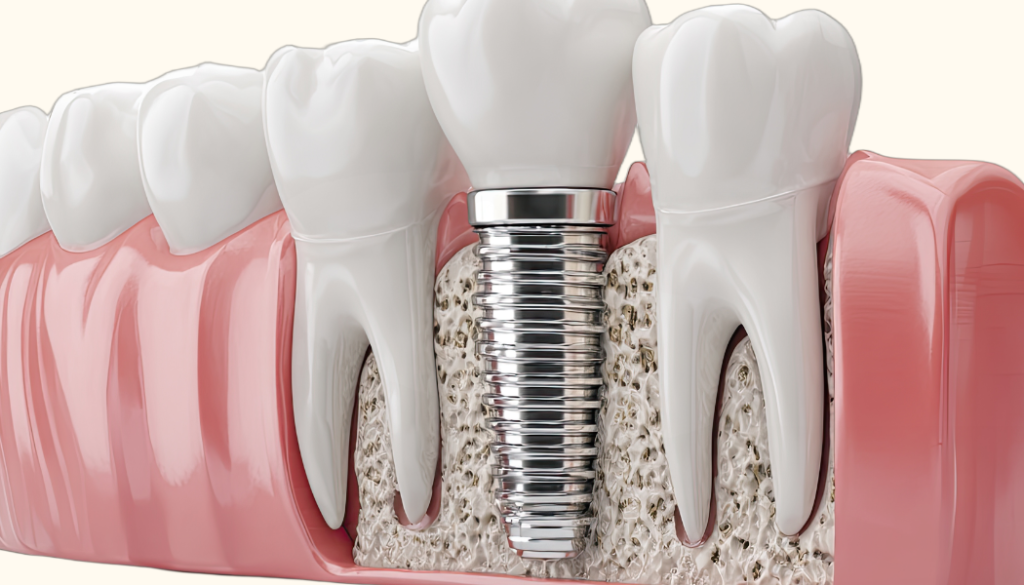
A dental implant restoration usually consists of several components, including:
- The implant post placed in the jawbone
- The abutment that connects the implant to the restoration
- The dental crown or prosthetic tooth
A problem with any of these components can create a feeling of looseness. This is why a professional examination is necessary to determine exactly what has happened.
What Should You Do If Your Dental Implant Feels Loose?
If you notice movement, discomfort, or a loose feeling around your dental implant, take the following steps.
1. Avoid Touching or Moving the Implant
You may be tempted to check the implant repeatedly with your tongue or fingers. Avoid doing this, as excessive movement or pressure could worsen the issue.
Do not attempt to push the implant back into place or tighten any component yourself.
2. Avoid Chewing on That Side
Until your dentist examines the area, try to avoid biting or chewing directly on the affected implant. Choose softer foods if necessary and avoid hard, sticky, or crunchy foods that may place additional pressure on the restoration.
3. Contact a Dental Implant Specialist
A loose implant or implant restoration should be assessed as soon as possible. Your dentist may examine the implant, surrounding gums, bite, and restoration and use X-rays or 3D imaging when clinically necessary to identify the cause.
At Queens Elite Medical, dental implant treatment planning includes clinical assessment and advanced imaging to evaluate jawbone and implant conditions.
4. Do Not Try DIY Repairs
Never attempt to use glue, adhesive, or any household product to fix a loose dental crown or implant restoration. These materials are not designed for use inside the mouth and may damage the restoration or make professional treatment more difficult.
Only a qualified dental professional should repair, tighten, or replace an implant component.
Why Can a Dental Implant Become Loose?
There are several possible reasons why an implant or implant-supported tooth may feel loose.
A Loose Implant Crown
In some cases, the implant itself remains firmly integrated with the jawbone, but the crown or connecting component becomes loose. Depending on the cause, your dentist may be able to repair or replace the affected component.
Loosening of the Abutment or Connecting Screw
Implant restorations contain carefully designed connecting components. Bite forces and other factors can occasionally affect these parts, causing movement or instability.
Your dentist will assess whether the issue involves the implant crown, abutment, screw, or another part of the restoration.
Problems With Osseointegration
Dental implants depend on a process called osseointegration, where the surrounding bone bonds with the implant and creates a stable foundation. If this process does not occur successfully, the implant may become mobile.
Queens Elite Medical explains that successful implant treatment relies on proper integration between the implant and the jawbone, supported by careful planning and good oral health.
Gum Disease or Infection Around the Implant
Inflammation and infection affecting the tissues around an implant can potentially compromise the supporting structures. Early evaluation is important if you notice symptoms such as bleeding, swelling, persistent discomfort, or changes around the implant.
Excessive Bite Pressure
Teeth grinding, clenching, or an uneven bite can place excessive forces on dental restorations. Over time, this may affect implant components or surrounding structures.
A dentist can assess your bite and discuss appropriate protective measures when necessary.
Bone Loss Around the Implant
Adequate bone support is essential for implant stability. Changes in the bone surrounding an implant can affect its long-term support and should be professionally evaluated.
What Symptoms Should You Watch For?
Contact your dentist if you experience:
- A crown or implant that moves when biting
- Pain or discomfort around the implant
- Swelling or bleeding of the gums
- A feeling that your bite has changed
- Difficulty chewing with the implant
- A visible gap between the implant restoration and gum line
- Persistent bad taste or unusual discharge around the implant
These symptoms do not always mean that an implant has failed, but they should not be ignored.
Can a Loose Dental Implant Be Fixed?
The treatment depends entirely on the cause of the problem.
If only the crown, screw, or another restoration component is loose, your dentist may be able to address that specific issue. If the implant itself has become mobile, a more detailed evaluation may be required to determine the condition of the implant, jawbone, and surrounding tissues.
In some situations, early intervention may help address problems before they become more serious. This is one reason regular follow-up appointments and prompt attention to unusual symptoms are important.
How Queens Elite Medical Assesses Dental Implant Concerns
At Queens Elite Medical, implant treatment begins with a detailed assessment and personalized planning. The clinic uses diagnostic tools such as X-rays and 3D CBCT imaging when appropriate to assess bone conditions and support precise implant treatment planning.
The dental team can evaluate concerns involving single tooth implants, multiple teeth replacement, full-arch restorations, and other implant-supported solutions. Treatment recommendations are based on the patient’s individual oral condition and clinical requirements.
How to Help Protect Your Dental Implants
While not every implant-related problem can be prevented, good oral care and regular professional follow-up can support long-term implant health.
Maintain Good Oral Hygiene
Brush your teeth regularly and clean around the implant as instructed by your dental professional. Healthy gums and good oral hygiene are important for maintaining the tissues surrounding dental implants.
Attend Regular Dental Check-Ups
Routine check-ups allow your dentist to monitor the condition of your implant and restoration and identify potential concerns early.
Avoid Using Your Teeth as Tools
Do not use your implant-supported teeth to open packages, bite hard objects, or perform tasks they were not designed to handle.
Manage Teeth Grinding
If you grind or clench your teeth, discuss this with your dentist. Excessive bite forces can place additional stress on natural teeth and dental restorations.
Follow Your Dentist’s Aftercare Instructions
Every implant case is different. Following the specific care and maintenance instructions provided by your dental team is essential.
When Should You See a Dentist?
If your dental implant or implant-supported crown feels loose, arrange a dental appointment promptly. Do not wait for the problem to disappear on its own, and do not attempt to repair it yourself.
The sooner the cause is identified, the sooner your dentist can recommend the appropriate next steps.
Queens Elite Medical provides advanced dental implant solutions in Dubai, including single tooth implants, multiple teeth replacement, full-mouth implant solutions, and All-on-4 and All-on-6 treatments. Each treatment plan is tailored to the patient’s dental condition, with diagnostic assessment and personalized planning forming an important part of the process.
Restore Your Confidence With Expert Dental Implant Care in Dubai
A loose implant restoration can be concerning, but identifying the exact cause is the first step toward appropriate treatment. Whether the issue involves a crown, connecting component, bite pressure, gum health, or the implant itself, professional evaluation is essential.
If you are experiencing concerns with a dental implant or are considering a long-lasting solution for missing teeth, visit Queens Elite Medical’s Dental Implants in Dubai page to learn more about available treatment options and book a consultation with the dental team.