

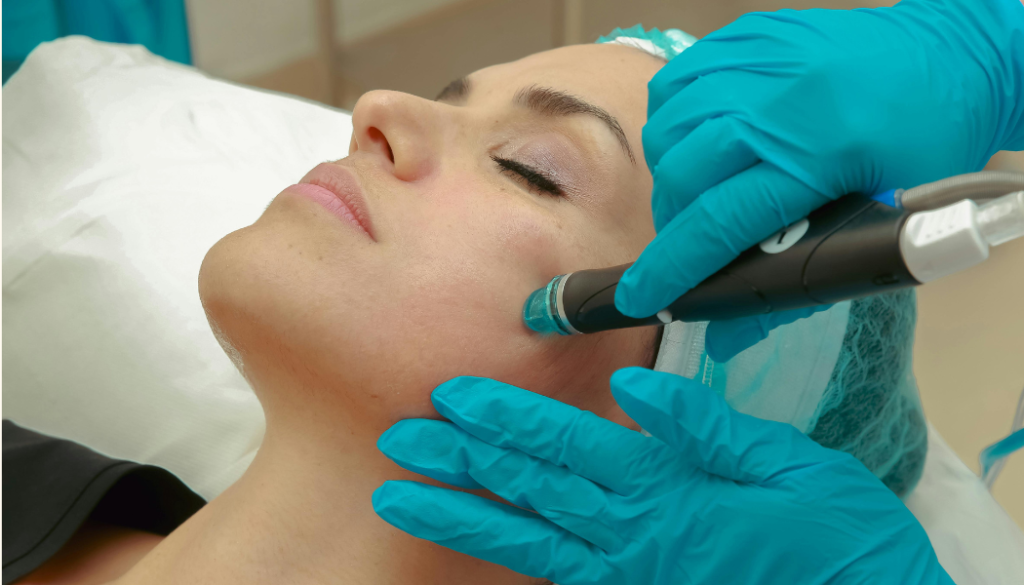
Acne can be frustrating on its own, but the marks and scars it leaves behind may continue to affect the skin long after active breakouts have improved. For many people, treating only the visible scars without addressing ongoing acne may lead to disappointing results. This is why dermatologists often take a combined approach that focuses on controlling active acne while also improving existing scars.
At Queens Elite Medical Center, acne scar treatment plans are customized according to the type and severity of scarring and the individual’s skin condition. Treatments may include RF microneedling, PRP, mesotherapy, and other regenerative approaches, with active acne management considered an important part of the treatment process.
Why Active Acne Should Be Controlled First
When new breakouts continue to appear, they can create fresh inflammation and potentially lead to additional marks or scars. Treating scars while acne remains uncontrolled may mean that new skin concerns develop during the treatment journey.
A dermatologist can assess factors such as the severity of acne, skin sensitivity, pigmentation concerns, and the type of scars present. Based on this evaluation, the treatment plan can focus on reducing active breakouts first or managing acne alongside carefully selected scar treatments.
This approach helps create a stronger foundation for improving overall skin texture and appearance.
Different Acne Scars Need Different Treatments
Not all acne scars look or behave the same way. Some scars appear as shallow depressions, while others are deeper and narrower. Dark marks left after acne may also be mistaken for true scars, although they require a different treatment approach.
Because of these differences, a single treatment may not be suitable for every concern. At Queens Elite Medical Center, scar treatments are tailored to the individual’s skin condition, and treatment options may be used alone or in combination depending on the type and severity of the scars.
How Combined Treatments Can Help
A combination approach allows dermatologists to address multiple skin concerns rather than focusing on only one aspect. For example, one treatment may support collagen production and improve depressed scars, while another may target skin texture, pigmentation, or overall skin quality.
1. Improving Collagen Production
Acne scars often involve changes in the skin’s deeper structure. Treatments such as RF microneedling create controlled micro-injuries and use radiofrequency energy to support the skin’s natural collagen response. Over time, this can help improve the appearance of uneven texture and certain types of acne scars.
2. Supporting Skin Repair
PRP and other regenerative treatments may be included in a personalized treatment plan to support skin repair and collagen stimulation. At Queens Elite Medical Center, PRP is one of the treatment options used for acne scarring based on individual needs.
3. Addressing Uneven Skin Texture
Scarred skin may have an uneven surface that requires a targeted approach. Advanced microneedling technologies can be adjusted according to the treatment area and skin concerns. This makes it possible to personalize the procedure for different areas of the face.
4. Managing Pigmentation and Acne Marks
After a breakout heals, some people are left with dark spots or uneven pigmentation. These marks are different from depressed acne scars and may require a separate treatment strategy. By identifying the exact concern, a dermatologist can recommend treatments that address both skin tone and texture appropriately.
Why Personalization Matters
There is no universal treatment plan for acne and acne scars. Skin type, scar depth, active acne, healing response, and pigmentation risk can all influence which procedures may be appropriate.
A personalized consultation allows the dermatologist to examine the skin and determine whether treatments should be performed individually or combined. Queens Elite Medical Center offers customized dermatology and scar treatment plans designed around each patient’s specific skin concerns.
Patience Is Important for Visible Results
Scar improvement is usually a gradual process. Treatments that support collagen production may continue to improve the skin over several weeks as the skin undergoes its natural repair process. The number of sessions required also varies depending on the severity of the scars and the individual’s skin response.
At Queens Elite Medical Center, acne scar treatment plans may involve multiple sessions, with the exact number determined by the patient’s skin condition and treatment goals.
Professional Aftercare Supports the Treatment Journey
Proper aftercare can play an important role after professional skin treatments. Depending on the procedure, a dermatologist may recommend a suitable skincare routine and provide instructions to support healing.
Protecting the skin from excessive sun exposure and following professional advice can also help maintain skin health. It is important to avoid trying multiple aggressive treatments at home without professional guidance, especially when the skin is already inflamed or undergoing treatment.
Get a Personalized Approach to Acne and Scar Treatment
Treating acne and scars together can be beneficial because it addresses both current breakouts and the lasting effects they may leave behind. A well-planned combination approach can help target acne, uneven texture, pigmentation concerns, and scar appearance based on the needs of the individual.
For those looking for professional scar treatment in Dubai, Queens Elite Medical Center provides personalized solutions using advanced technologies and treatment options such as RF microneedling and PRP. A consultation with a qualified skin professional can help determine the most appropriate plan for your skin concerns.