

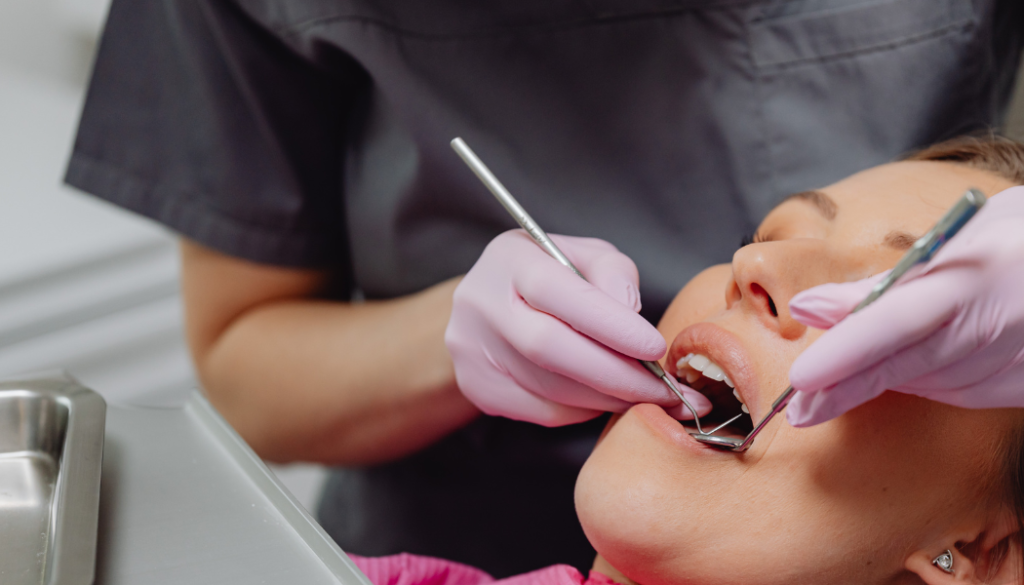
Getting a tooth filling is a simple and effective way to treat cavities and restore the strength of your tooth. Modern dental fillings are durable, natural-looking, and designed to protect your teeth from further decay. While the procedure itself is usually completed in a single visit, the care you take afterward plays an important role in ensuring a smooth recovery and extending the life of your filling.
At Queens Elite Medical Center, we believe that proper aftercare is just as important as the treatment itself. By following a few simple guidelines, you can minimize discomfort, protect your restored tooth, and maintain excellent oral health.
What Happens After a Tooth Filling?
Once your dentist places the filling, your tooth begins functioning normally again. However, it is common to experience temporary numbness if local anesthesia was used. Some patients also notice mild sensitivity when eating or drinking, especially during the first few days.
These temporary effects are a normal part of the healing process and generally disappear on their own.
Wait Before Eating
If your mouth is still numb after the procedure, avoid eating until the sensation has completely returned. Chewing while numb increases the risk of accidentally biting your tongue, cheeks, or lips.
Once the numbness has worn off, begin with soft foods that are easy to chew and place minimal pressure on the treated tooth.
Good food choices include:
- Soft rice
- Yogurt
- Scrambled eggs
- Oatmeal
- Mashed vegetables
- Smoothies
- Pasta
- Soft fruits
Allow your tooth time to adjust before returning to your normal diet.
Avoid Hard and Sticky Foods
Although today’s filling materials are highly durable, newly treated teeth can still be sensitive during the first day or two.
Avoid foods such as:
- Hard candies
- Ice cubes
- Sticky caramel
- Chewing gum
- Nuts
- Popcorn kernels
- Very crunchy snacks
These foods may place unnecessary stress on the restored tooth and can affect your comfort during recovery.
Continue Your Oral Hygiene Routine
A filling repairs an existing cavity, but it cannot prevent new ones from forming. Maintaining excellent oral hygiene remains essential.
Brush your teeth twice each day using a soft-bristled toothbrush and fluoride toothpaste. Floss gently around the treated tooth to remove plaque without irritating the surrounding gums.
Consistent oral hygiene helps protect both your natural teeth and your dental restorations.
Manage Tooth Sensitivity
Some sensitivity after a filling is completely normal, particularly when consuming hot, cold, or sweet foods.
To reduce discomfort:
- Drink beverages at moderate temperatures.
- Avoid extremely cold desserts.
- Limit sugary foods for several days.
- Use toothpaste formulated for sensitive teeth if recommended by your dentist.
Most sensitivity gradually improves within a short period as the tooth settles.
Be Gentle While Chewing
For the first 24 hours, try chewing on the opposite side of your mouth whenever possible.
This simple precaution:
- Reduces pressure on the treated tooth
- Improves comfort
- Allows surrounding tissues to recover
- Helps you become accustomed to the new filling
Once everything feels normal, you can return to your usual chewing habits.
Protect Your Filling from Damage
Certain daily habits can shorten the lifespan of dental fillings.
Avoid using your teeth to:
- Open packages
- Bite fingernails
- Crack nuts
- Chew ice
- Hold hard objects
These actions place excessive pressure on your teeth and may lead to cracks or damage over time.
Pay Attention to Your Bite
After treatment, your bite should feel comfortable and balanced.
If you notice that:
- One tooth feels higher than the others
- Chewing feels uncomfortable
- You experience pain when biting down
contact your dentist promptly. A minor adjustment can usually correct the problem in just a few minutes.
Drink Plenty of Water
Water supports both oral and overall health.
Drinking water helps:
- Wash away food particles
- Reduce acid buildup
- Keep your mouth hydrated
- Support healthy saliva production
- Lower the risk of future cavities
Staying hydrated is one of the easiest ways to maintain a healthy smile.
Don’t Skip Regular Dental Visits
Routine dental check-ups allow your dentist to monitor your fillings and detect small problems before they become serious.
During your visits, your dentist can:
- Check the condition of existing fillings
- Identify early signs of decay
- Remove plaque and tartar
- Recommend preventive treatments
- Ensure your bite remains comfortable
Preventive care often saves time, discomfort, and future treatment costs.
Signs You Should Contact Your Dentist
While recovery is usually smooth, seek professional advice if you experience:
- Persistent or severe pain
- Swelling around the treated tooth
- A loose or broken filling
- Continuous sensitivity lasting several weeks
- Difficulty chewing after several days
Prompt evaluation allows any issues to be corrected before they become more complex.
How Long Can a Tooth Filling Last?
The lifespan of a filling depends on factors such as the material used, the size of the restoration, and your oral hygiene habits.
With proper care, many tooth-colored composite fillings remain strong and functional for many years. Brushing, flossing, healthy eating habits, and routine dental examinations all contribute to their longevity.
Why Choose Queens Elite Medical Center for Tooth Fillings?
At Queens Elite Medical Center, we provide high-quality restorative dental care using advanced techniques and premium tooth-colored filling materials. Our experienced dentists carefully remove decay while preserving as much healthy tooth structure as possible.
We focus on patient comfort, precision, and long-lasting results, ensuring every treatment restores both the health and appearance of your smile. From diagnosis to aftercare, our team is committed to delivering personalized dental solutions in a comfortable and welcoming environment.
Conclusion
Proper aftercare is the key to getting the best results from your dental filling. By following your dentist’s recommendations, maintaining excellent oral hygiene, eating wisely during the first few days, and attending regular dental check-ups, you can protect your restored tooth for years to come.
If you’re experiencing tooth sensitivity, suspect a cavity, or need a replacement filling, Queens Elite Medical Center offers expert tooth filling treatments in Dubai using modern materials and patient-focused care. Let our experienced dental team help you restore your smile with confidence.