

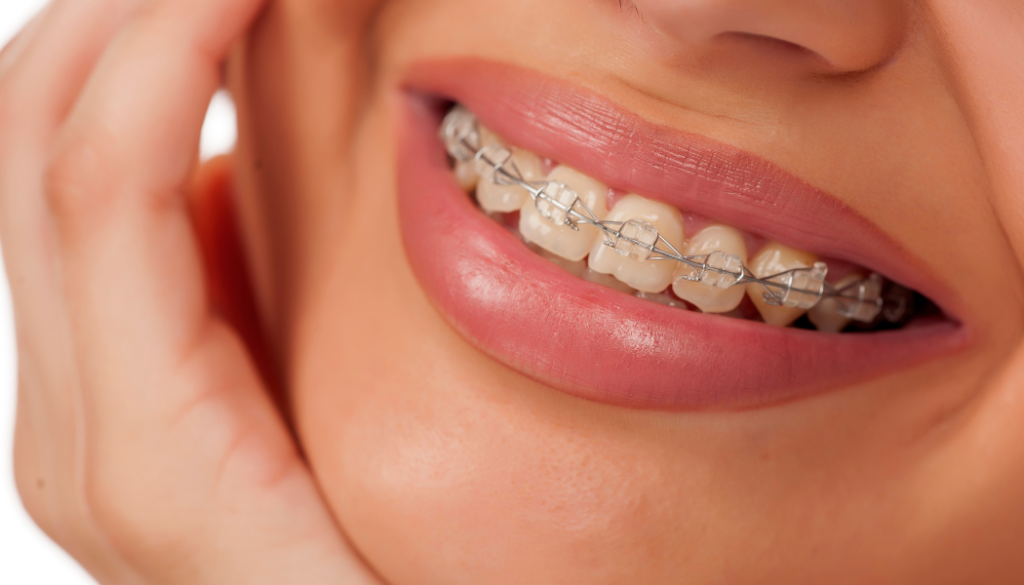
Braces are often associated with teenagers, but orthodontic treatment is not limited to one particular age group. Some people may benefit from an early assessment during childhood, while others may decide to correct alignment concerns as teenagers or adults.
If you are wondering whether it is the right time to consider braces in Dubai, the answer depends less on age alone and more on your dental development, bite, tooth position, oral health, and individual treatment needs.
Signs That It May Be Time for an Orthodontic Assessment
You do not necessarily need to wait until your teeth become severely crowded or uncomfortable before seeking an orthodontic opinion. Several signs can indicate that an assessment may be useful.
These can include:
- Teeth that overlap or appear noticeably crowded
- Large spaces between teeth
- Difficulty biting or chewing comfortably
- Upper and lower teeth that do not meet properly
- Teeth that appear unusually prominent
- Frequent difficulty cleaning certain areas between teeth
- Changes in the way the jaw or bite feels
- Concerns about the position of permanent teeth as they develop
An orthodontic consultation can help determine whether these concerns require treatment now, later, or simply monitoring.
Is There a Specific Age for Braces?
There is no universal age at which everyone should begin braces. Orthodontic timing is influenced by the type of problem and the stage of dental development.
The American Association of Orthodontists recommends that children have an orthodontic evaluation by around age seven. This does not mean that every seven-year-old needs braces. An early assessment allows an orthodontist to identify developing problems and decide whether treatment is appropriate immediately or whether the child’s growth should simply be monitored.
For some children, treatment may be considered while they are still growing. For others, the orthodontist may recommend waiting until more permanent teeth have erupted.
When Should Parents Think About Orthodontic Treatment?
Parents may notice changes in their child’s teeth before the child experiences any obvious discomfort. Problems such as crowding, unusual tooth eruption, crossbite, or jaw alignment concerns can sometimes become easier to identify as permanent teeth develop.
An early orthodontic evaluation does not automatically mean starting braces. In some cases, the recommended approach is observation and periodic review. In other situations, early treatment may help address a developing issue while the jaws are still growing.
This is why timing should be determined individually rather than based only on a child’s age.
What About Teenagers?
The teenage years are a common period for orthodontic treatment because many permanent teeth have erupted and dental development can be assessed more clearly.
However, the ideal starting point differs from one person to another. An orthodontist may consider factors such as tooth position, bite alignment, jaw development, available space, and overall oral health before recommending treatment.
If your teenager has visibly crowded teeth, difficulty biting properly, or concerns about tooth alignment, an orthodontic assessment can help clarify whether braces are appropriate.
Can Adults Get Braces?
Absolutely. Orthodontic treatment is not only for children and teenagers. Adults can also undergo treatment to address tooth alignment and bite concerns.
According to the American Association of Orthodontists, age itself is rarely the deciding factor for orthodontic treatment. Adults can receive orthodontic treatment, although factors such as existing dental work, missing teeth, worn teeth, and other dental conditions may need to be considered when developing a treatment plan.
For adults in Dubai, work schedules, social commitments, appearance preferences, and previous dental treatment may also influence when they choose to begin an orthodontic consultation.
Do You Need to Wait Until All Permanent Teeth Appear?
Not necessarily.
Waiting for every permanent tooth to erupt is not always the right approach. Some developing orthodontic problems can benefit from earlier evaluation or intervention, particularly when jaw growth or tooth eruption is involved.
At the same time, an early consultation does not mean immediate braces. The orthodontist may recommend monitoring the child’s development and beginning treatment at a more suitable stage.
What Should Be Checked Before Starting Braces?
Before orthodontic treatment begins, your dental health should also be considered. Cavities, gum problems, or other dental conditions may need attention before orthodontic treatment starts.
A consultation may involve examining:
- Tooth alignment
- Bite relationship
- Jaw position
- Tooth and jaw development
- Available space
- Existing dental restorations
- Overall oral health
These factors help the orthodontist determine whether treatment is appropriate and when it should begin.
Why Timing Can Matter
Orthodontic treatment involves gradually moving teeth and, in some cases, addressing relationships between the teeth and jaws. Treatment timing can therefore depend on growth and dental development.
For children, certain interventions may be more useful while the jaws are developing. For adults, treatment planning may need to account for mature bone and existing dental conditions. The AAO notes that adult treatment can be successful, although it may sometimes take longer than comparable treatment in younger patients.
The important point is that there is no single treatment schedule that applies to everyone.
What Happens During an Orthodontic Consultation?
An initial consultation is an opportunity to understand what is happening with your teeth and bite before making a treatment decision.
The orthodontist may assess whether an orthodontic problem exists, discuss possible treatment approaches, estimate the expected treatment duration, and explain whether treatment should begin immediately or at a later stage.
This can be particularly useful if you are unsure whether your concern is significant enough to require braces.
Choosing the Right Time for Braces in Dubai
The right time to consider braces is not necessarily determined by your age. It is influenced by your dental condition, stage of development, bite, oral health, and treatment goals.
For children, an early orthodontic evaluation can identify developing concerns. Teenagers may benefit from treatment when permanent teeth and dental development make correction appropriate. Adults can also seek orthodontic care when they are ready to address long-standing alignment or bite concerns.
If you are considering braces in Dubai, a professional orthodontic assessment can help you understand whether treatment is appropriate now or whether waiting and monitoring would be more suitable.
Queens Elite Medical Center can assess your orthodontic concerns and discuss an individualized treatment approach based on your dental needs.