

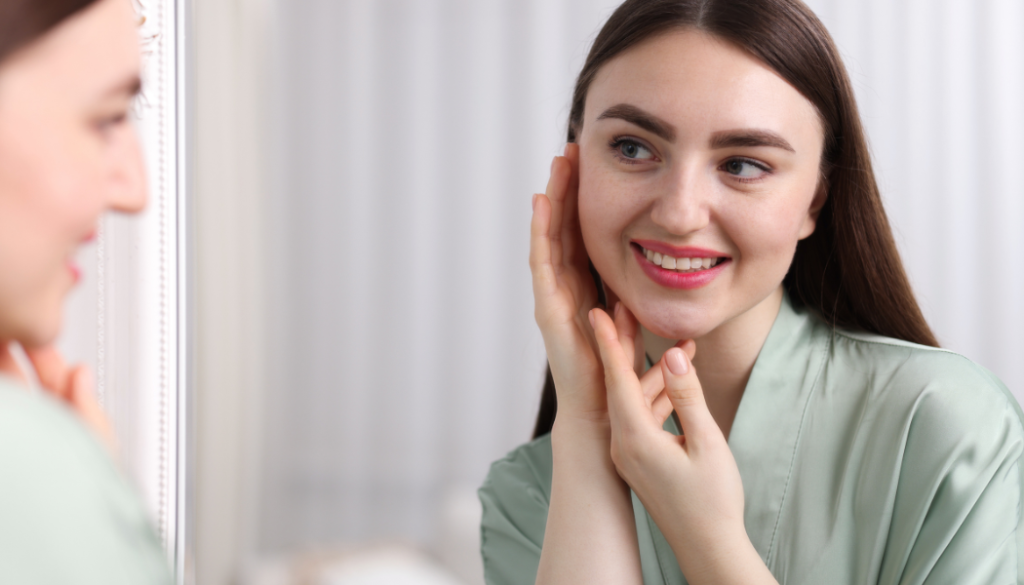
Non-surgical skin-tightening treatments such as HIFU have become popular among people who want to improve the appearance of skin firmness without undergoing surgery. HIFU uses focused ultrasound energy to target deeper layers of tissue and encourage collagen production, with improvements generally developing gradually rather than appearing immediately.
However, a treatment is only one part of a long-term skin-care routine. Everyday habits can also influence how healthy and well-maintained your skin looks over time.
If you have recently had HIFU treatment in Dubai or are considering it, here are practical ways to support your skin afterward.
Follow Your Provider’s Aftercare Instructions
The first step after any aesthetic treatment is to follow the specific instructions provided by your doctor or qualified practitioner.
Although non-invasive skin-tightening procedures generally involve little or no downtime, some people may experience temporary redness, swelling, tenderness, or mild discomfort. The exact experience can differ depending on the treatment and individual.
Avoid adding new products or treatments immediately after the procedure unless your provider recommends them. Your skin-care routine should be adjusted according to your skin’s condition and the treatment performed.
Make Sun Protection a Daily Habit
Sun exposure is one of the major factors that can contribute to visible skin aging. UV exposure can affect collagen and contribute to changes in skin texture, pigmentation, and firmness.
Using broad-spectrum sunscreen and limiting unnecessary sun exposure can help protect your skin. The American Academy of Dermatology also recommends protecting your skin from the sun when trying to maintain the results of skin-tightening treatments.
For people living in Dubai, consistent sun protection is particularly practical because strong sunlight and outdoor exposure can be part of everyday life.
Keep Your Skin Clean and Moisturized
A simple skin-care routine can help maintain a healthy-looking complexion.
Gentle cleansing removes excess oil, dirt, and environmental impurities without unnecessarily irritating the skin. Moisturizing helps support the skin barrier and can make the skin appear smoother and more comfortable.
You do not necessarily need an extensive collection of products. A consistent routine suited to your skin type is often more useful than frequently changing products.
Support Your Skin With a Healthy Lifestyle
Skin appearance is influenced by more than topical products and aesthetic treatments. Maintaining a balanced lifestyle can also support overall skin health.
Try to:
- Eat a varied, balanced diet.
- Stay adequately hydrated.
- Get sufficient sleep.
- Avoid smoking.
- Limit excessive alcohol consumption.
- Maintain a healthy, stable weight.
- Protect your skin from unnecessary sun exposure.
The American Academy of Dermatology notes that maintaining a healthy weight, eating a healthy diet, avoiding smoking, limiting alcohol, and protecting the skin from the sun can all be relevant when considering skin-tightening results.
Avoid Overloading Your Skin With Treatments
It can be tempting to combine several cosmetic treatments in an effort to achieve faster or more noticeable changes. However, more treatments are not automatically better.
Your skin may need time to respond to a tightening procedure. Ultrasound-based skin tightening works partly through collagen-related changes, which develop gradually.
Before adding another procedure, discuss your plans with a qualified practitioner. They can determine whether another treatment is appropriate and whether enough time has passed since your previous procedure.
Be Patient With Gradual Changes
One of the most important things to understand about non-surgical skin tightening is that results may develop gradually.
HIFU and other ultrasound-based treatments can stimulate collagen production, and the visible changes may become more noticeable over the following months rather than immediately after treatment. The American Academy of Dermatology notes that ultrasound skin-tightening results can develop over approximately two to six months, while Cleveland Clinic describes the full effect of ultrasound facial treatments as generally developing over several months.
Because of this, comparing your skin from one day to the next may not provide a useful picture of your progress. Following your provider’s recommended follow-up schedule can give you a better understanding of the changes.
Choose Skin-Care Products Carefully
After a cosmetic procedure, it is important to avoid assuming that every active ingredient is suitable for your skin.
Ingredients such as retinoids may have a role in supporting collagen production, but whether and when they should be introduced depends on your individual skin and treatment plan.
If you are unsure about a product, ask your dermatologist or treatment provider before incorporating it into your routine. This is particularly important if your skin is still sensitive.
Pay Attention to Changes in Your Skin
Mild and temporary reactions can occur after non-surgical skin-tightening treatments. Depending on the treatment, these can include redness, swelling, tenderness, or mild discomfort.
However, persistent, worsening, or unusual symptoms should not simply be ignored. Contact your healthcare provider if you are concerned about how your skin is responding.
Prompt professional advice is especially important if you experience significant pain, severe swelling, changes in sensation, or other unexpected symptoms.
Schedule Professional Follow-Ups When Recommended
Maintaining healthy-looking skin is not about expecting one treatment to stop the natural aging process. Skin continues to change over time, and treatment results can vary between individuals.
A follow-up appointment allows your provider to assess your progress and discuss whether additional treatment or changes to your skin-care routine are appropriate. The American Academy of Dermatology recommends discussing skin-tightening options and expected results with a qualified dermatologist because different procedures may be appropriate for different skin concerns.
Give Your Skin a Long-Term Approach
HIFU can be part of a broader approach to maintaining a firm, healthy-looking complexion, but everyday skin care remains important.
A practical long-term routine can include:
Morning:
Gentle cleansing, moisturizer if needed, and broad-spectrum sunscreen.
During the day:
Reapply sunscreen as appropriate and minimize unnecessary direct sun exposure.
Evening:
Cleanse gently, moisturize, and use any dermatologist-recommended products according to instructions.
Over time:
Attend recommended follow-ups and avoid unnecessary treatments without professional guidance.
Conclusion
Maintaining healthy-looking skin after a non-surgical tightening treatment involves more than focusing on the procedure itself. Sun protection, gentle skin care, healthy lifestyle habits, appropriate products, and professional follow-up can all contribute to maintaining your skin’s appearance.
If you are considering HIFU treatment in Dubai, a consultation with a qualified medical professional can help determine whether the treatment is appropriate for your skin concerns and what type of aftercare may be suitable for you.
At Queens Elite Medical, patients can discuss their skin concerns and treatment goals with the medical team before deciding on an appropriate aesthetic treatment plan.