

Flexible Dentures in Dubai
Missing teeth change how you eat, speak and smile, and traditional dentures with visible metal clasps are not for everyone. Flexible dentures are a lighter, more comfortable alternative. They are removable partial dentures made from a thin, flexible thermoplastic, with gum-coloured clasps that blend into your natural teeth, so no metal shows when you smile.
At Queens Elite Medical in Dubai Marina, our dentists design each flexible denture around your mouth and build it in our in-house dental laboratory. Book a consultation and we will tell you clearly whether flexible dentures suit your case or whether another option, such as acrylic dentures or dental implants, would serve you better.
What Are Flexible Dentures?
Flexible dentures are removable partial dentures that replace one or several missing teeth. Instead of a rigid acrylic base or a metal framework, they use a soft, nylon-based thermoplastic that bends slightly as you chew and move your mouth. The base is tinted to match your gums, and the clasps that hold the denture in place are made of the same material, so they sit quietly against your natural teeth.
Because the material is thin and light, most patients find flexible dentures comfortable from the first fitting and easier to get used to than a bulky acrylic plate. They are designed mainly for partial cases, meaning you still have some natural teeth. If you have lost all your teeth in an arch, a full acrylic denture or an implant-supported option is usually the more stable choice, and we explain the difference during your consultation.
What Are Flexible Dentures Made Of?
Flexible dentures are made from biocompatible, nylon-based thermoplastic resin. The material is injected into a mould made from an exact impression or scan of your mouth, which is why the fit is so close. Teeth are set into the base in a shade chosen to match your natural teeth, and the gum-coloured base blends with your own tissue.
The material contains no metal, which suits patients who dislike the look of metal clasps or who have a sensitivity to acrylic or metal. It is also more resistant to cracking and snapping than a standard acrylic partial if it is dropped. Our denture teeth and bases are made in our in-house dental laboratory, so adjustments and remakes are handled in one place.
Flexible vs Acrylic vs Metal-Framed Partial Dentures
There is no single right denture for everyone. This comparison shows how the three common partial denture types differ, so you can discuss them with your dentist.
| Feature | Flexible (thermoplastic) | Acrylic | Metal-framed (cobalt-chrome) |
|---|---|---|---|
| Base material | Soft, nylon-based thermoplastic | Rigid acrylic resin | Metal framework with acrylic teeth and base |
| Clasps | Gum-coloured, no metal | Usually thin metal clasps | Metal clasps |
| Comfort and weight | Light and thin | Bulkier | Thin but rigid |
| Look at the smile line | Very natural, no visible metal | Good, but clasps may show | Clasps may be visible |
| Resistance to breaking | High when dropped | Can crack or snap | High |
| Repair and relining | More limited; a remake is sometimes needed | Easier to repair and reline | Framework repairs are limited |
| Typical lifespan with good care | Around 3 to 5 years | Around 5 years or more | Often the longest |
| Best suited to | Comfort, natural look, metal or acrylic sensitivity | Short-term or budget-led cases | Heavy chewing and stable long-term support |
Benefits of Flexible Dentures
-
Comfortable from the start.
The thin, lightweight base moves slightly with your mouth, so there is less pressure on your gums and natural teeth.
-
A natural look
Gum-coloured clasps and a tinted base blend in, with no metal showing when you talk or smile.
-
Metal-free.
A good option if you dislike metal clasps or have a sensitivity to acrylic or metal.
-
Resistant to breaking.
The material is less likely to crack or snap if you drop it than a standard acrylic partial.
-
No adhesive in most cases.
The clasps grip your natural teeth, so most patients do not need denture adhesive.
-
Suitable for small gaps.
Flexible dentures can replace a single tooth or a few teeth, including front teeth where appearance matters most.

Limitations to Know Before You Choose
Flexible dentures are a good fit for many partial cases, but they are not right for everyone. We prefer you hear the limits from us before you decide.
- Mainly for partial cases. They need natural teeth to anchor to. If you are missing all the teeth in an arch, an acrylic full denture or an implant-supported denture is usually more stable.
- Harder to reline or repair. As your gums change over time, the denture may need to be remade rather than adjusted.
- Needs careful cleaning. The surface can collect plaque if it is not cleaned daily, so good hygiene matters.
- Not for heavy bite forces in every case. If you grind your teeth or chew with strong force, a metal-framed or implant-supported option may last longe
- Lifespan. Many flexible dentures last around 3 to 5 years with good care, and your dentist will check the fit at regular reviews.
Who Are Flexible Dentures Suitable For?
- You are missing one or several teeth but still have healthy natural teeth to support the denture.
- You want to avoid visible metal clasps, especially near front teeth.
- You find rigid acrylic dentures uncomfortable or bulky.
- You have a sensitivity to acrylic or metal.
- You need a lightweight replacement for a single missing tooth.
Your Flexible Denture Treatment at Queens Elite Medical
- Consultation and examination. Your dentist checks your teeth, gums and bite, reviews your medical history, and talks through your goals and the options available.
- Treating other dental needs first. If you have gum disease, decay or teeth that need extraction, we plan and treat these before making your denture so it fits a healthy mouth.
- Treating other dental needs first. If you have gum disease, decay or teeth that need extraction, we plan and treat these before making your denture so it fits a healthy mouth.
- Impressions or digital scan. We take an accurate record of your mouth and choose the tooth shade and gum tone that match you.
- Fabrication in our in-house dental laboratory. Your denture is made to your design in our own laboratory, which keeps every step under one roof.
- Fitting and adjustments. Your dentist checks the fit, bite and appearance, makes any adjustments, and shows you how to insert, remove and clean the dentu
- Follow-up reviews. We check how your denture feels after you have worn it for a while, because small adjustments make a big difference to comfort.
How Long Do Flexible Dentures Last?
How to Care for Your Flexible Dentures
- Remove the denture and rinse it after eating to wash away food.
- Clean it daily with a soft brush and a mild, non-abrasive denture cleaner. Avoid hot water, bleach and harsh toothpaste, which can damage the material.
- Soak it in cool water or a denture-cleaning solution overnight, as your dentist advises.
- Brush your natural teeth and gums twice a day and floss around the clasps.
- Handle it over a towel or a basin of water so it does not fall on a hard surface.
- Do not try to bend, trim or repair it yourself. If it cracks, loosens or causes a sore spot, book a visit.
- Keep your regular dental check-ups and professional cleanings.
Meet the Smile Behind the Practice
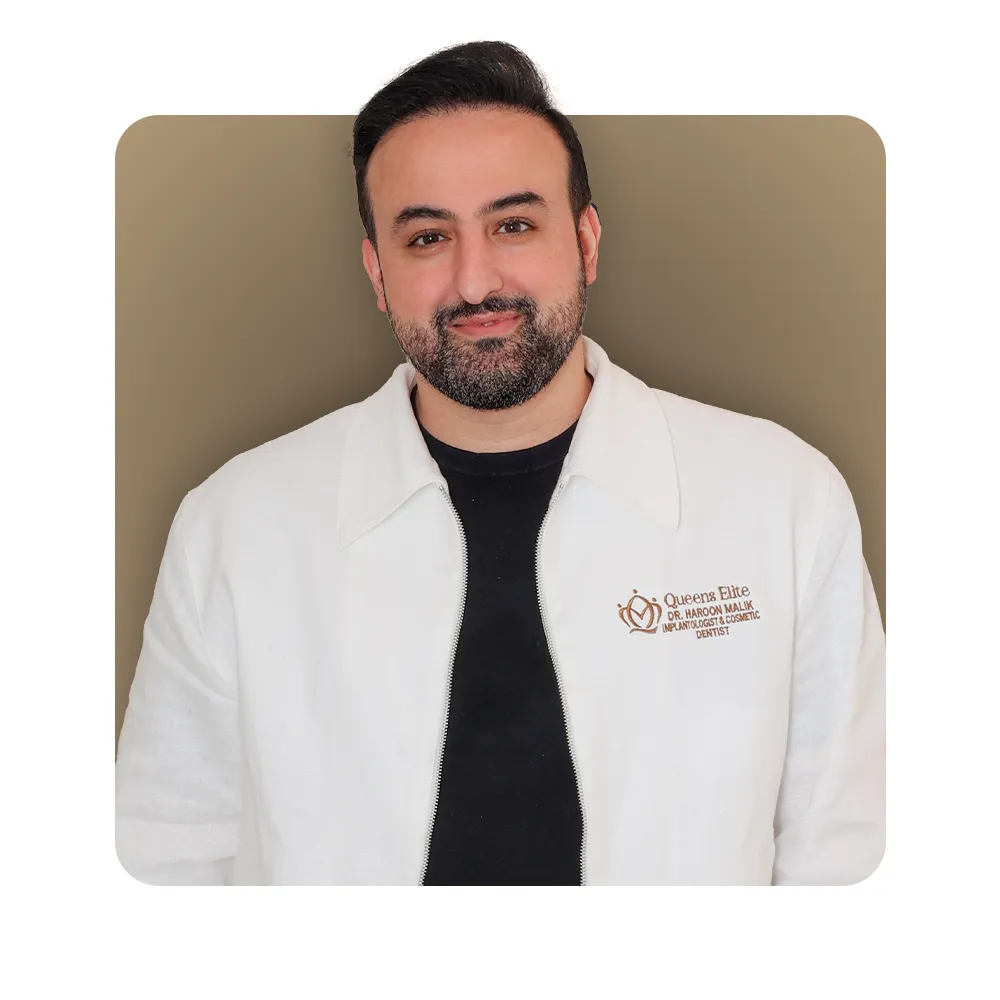
(Co-Founder)


Flexible Dentures FAQs
Can I get full flexible dentures?
Flexible dentures are designed mainly as partial dentures, because they need natural teeth to clasp onto. If all the teeth in an arch are missing, an acrylic full denture or an implant-supported denture is usually more stable. Your dentist will explain which suits you after an examination.
Are flexible dentures better than acrylic dentures?
Neither is better for everyone. Flexible dentures are lighter, metal-free and less likely to crack, while acrylic dentures are easier to repair and reline. We recommend the one that fits your teeth, gums, bite and budget.
Can I eat normally with flexible dentures?
Most patients eat comfortably once they are used to the denture, usually after a short adjustment period. Start with soft foods, cut food into small pieces, and chew on both sides. Very hard or sticky foods can loosen any removable denture.
Do flexible dentures look natural at the front of the mouth?
Yes, they are often chosen for front teeth because the clasps are gum-coloured and no metal is visible. We match the tooth shade and gum tone to your own.
Can I get a flexible denture for just one tooth?
Yes. A single-tooth flexible denture can replace one missing tooth. It is removable, so we may also discuss a dental bridge or a dental implant as a fixed option.
Do I need denture adhesive?
Most patients do not, because the clasps hold the denture against natural teeth. If your denture feels loose, tell us, as it may need an adjustment or a remake rather than adhesive.
Can flexible dentures be repaired?
Small problems can sometimes be corrected, but the material is harder to repair and reline than acrylic. A cracked or ill-fitting flexible denture is often best remade, and our in-house laboratory handles this. See our denture repair and relining service for details.
Are flexible dentures suitable if I am sensitive to acrylic or metal?
They are often chosen for this reason because the material is metal-free. Tell your dentist about any sensitivities at your consultation.
How do flexible dentures compare with dental implants?
Flexible dentures are removable, quicker to make and usually lower in cost. Dental implants are fixed in the jawbone, do not rely on neighbouring teeth, and help preserve bone. We explain the trade-offs in our guide to dental implants vs dentures vs bridges.