

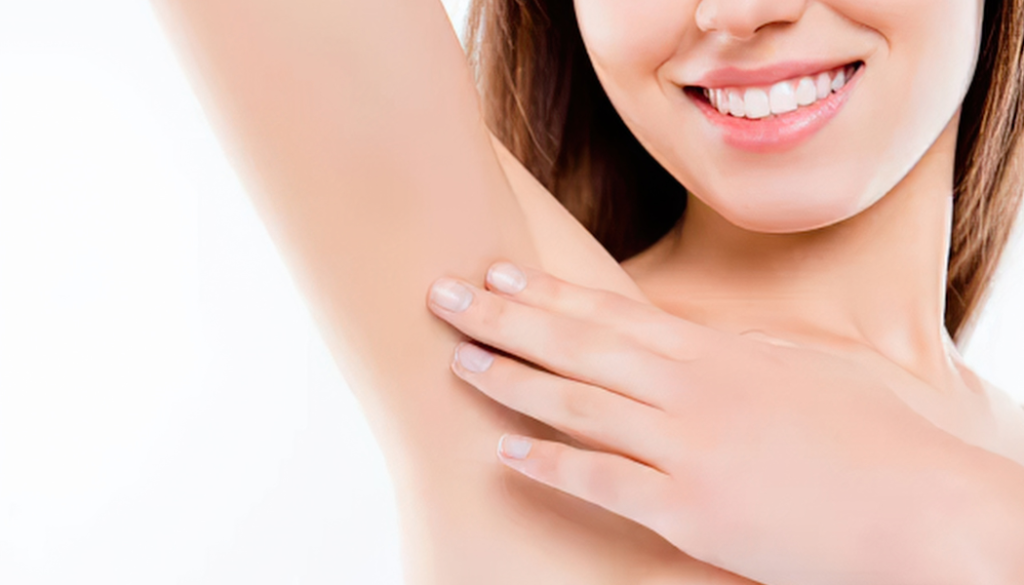
Underarm skin can be more sensitive than many other areas of the body. Regular shaving, hair removal, deodorants, sweating, friction, and the use of strong skincare products can sometimes leave the area feeling itchy, dry, uncomfortable, or irritated.
Because the underarms are exposed to repeated daily friction and personal-care products, developing a gentle skincare routine can help support healthier-looking skin. For those concerned about uneven skin tone or underarm darkening, reducing repeated irritation can also be an important part of overall skin care.
Why Is Underarm Skin Easily Irritated?
Several everyday factors can contribute to underarm irritation. Shaving can cause small cuts, razor burn, and bumps, while frequent hair removal may increase skin sensitivity. Certain deodorants and fragranced products can also trigger irritation or contact dermatitis in some people.
Friction from tight clothing, excessive sweating, and repeated rubbing can add to the problem. When irritation happens repeatedly, the skin may become uncomfortable and its appearance may change.
Understanding the potential triggers is the first step toward protecting sensitive underarm skin.
Use Gentle Cleansing Products
The underarm area does not require aggressive scrubbing to stay clean. Using a gentle cleanser and washing the area carefully can help remove sweat and buildup without unnecessarily disturbing the skin barrier.
Avoid vigorous rubbing with rough towels, exfoliating gloves, or abrasive scrubs. If the skin is already irritated, excessive exfoliation may make the discomfort worse.
After washing, gently pat the area dry instead of rubbing it.
Be Careful When Shaving
Shaving is a common source of underarm irritation. Using a dull razor, shaving without enough lubrication, or repeatedly passing over the same area can increase the chance of razor burn and bumps.
Dermatologists recommend wetting the skin and hair before shaving, using a shaving cream or gel suitable for sensitive skin, and shaving in the direction of hair growth. Replacing disposable blades regularly can also help reduce irritation.
Avoid applying excessive pressure while shaving. A smoother result does not require repeatedly scraping the same area.
Avoid Shaving Already-Irritated Skin
If your underarms are already red, burning, itchy, or covered with small bumps, giving the skin time to recover may be more appropriate than immediately shaving again.
Continuing to shave over irritated skin can increase friction and discomfort. If irritation repeatedly appears after shaving, consider discussing alternative hair-removal methods with a qualified professional.
Choose Deodorants Carefully
Deodorants and antiperspirants can contain fragrances and other ingredients that may irritate sensitive skin. Underarms are also a recognized location for contact dermatitis caused by personal-care products.
If a particular product consistently causes burning, itching, redness, or discomfort, stop using it and consider switching to a fragrance-free option designed for sensitive skin.
It is also useful to distinguish between fragrance-free and unscented products. Unscented products may still contain ingredients used to mask odours, whereas fragrance-free products are formulated without added fragrance.
Be Cautious With Strong Exfoliation
Exfoliating products are often marketed as a way to improve uneven-looking skin, but stronger does not necessarily mean better.
Using acids, scrubs, or multiple active ingredients too frequently can irritate sensitive underarm skin. Ingredients such as glycolic acid and retinol can cause irritation, particularly when the skin is sensitive.
If you want to introduce a new skincare product, consider testing it on a small area first and following the product instructions.
Reduce Friction From Clothing
Tight clothing can repeatedly rub against the underarm area, particularly during exercise or warm weather. Choosing comfortable clothing with enough room around the arms may help reduce unnecessary friction.
After physical activity, changing out of damp clothing can also help keep the skin comfortable.
Keep the Skin Properly Moisturized
When the skin becomes dry, it may feel tight, itchy, or more easily irritated. A gentle, fragrance-free moisturizer can help support the skin barrier.
Avoid applying products that sting or burn. A product that causes persistent discomfort may not be suitable for your skin, even if it is marketed for sensitive areas.
Avoid Picking or Scratching
Small bumps or itchy areas can be tempting to scratch or squeeze. However, doing so may further damage the skin and prolong irritation.
If you experience razor bumps, avoid repeatedly picking at them. Changing shaving habits and using appropriate skincare may help reduce recurring irritation. Persistent or severe bumps should be assessed by a dermatologist.
Introduce New Products Slowly
When adding a new skincare product to your routine, avoid introducing several new products at the same time. If a reaction occurs, it can then be difficult to identify the cause.
The American Academy of Dermatology recommends testing skincare products on a small area before using them more widely. If redness, itching, swelling, or another reaction develops, discontinue the product.
What If Underarm Irritation Keeps Returning?
Occasional irritation may be related to shaving, deodorant, friction, or another temporary trigger. However, repeated or persistent symptoms should not simply be treated as a cosmetic concern.
Contact dermatitis can cause itching, burning, tenderness, redness, swelling, or other skin changes. If symptoms continue despite removing possible irritants, a dermatologist can help determine the underlying cause.
Professional advice can be especially useful if the area develops persistent discoloration, painful bumps, swelling, scaling, or recurring rashes.
Protecting Underarm Skin Over the Long Term
Healthy underarm skin starts with reducing unnecessary irritation. Gentle cleansing, careful shaving, suitable deodorant choices, comfortable clothing, and avoiding excessive exfoliation can all contribute to a more comfortable skincare routine.
For people concerned about underarm pigmentation, maintaining the skin barrier is particularly important. Repeated irritation can make the area more difficult to manage, so focusing on gentle daily care is a useful starting point.
If underarm skin concerns continue despite consistent care, Queens Elite Medical Center can provide professional guidance to help identify appropriate options based on the individual’s skin condition and concerns.
