

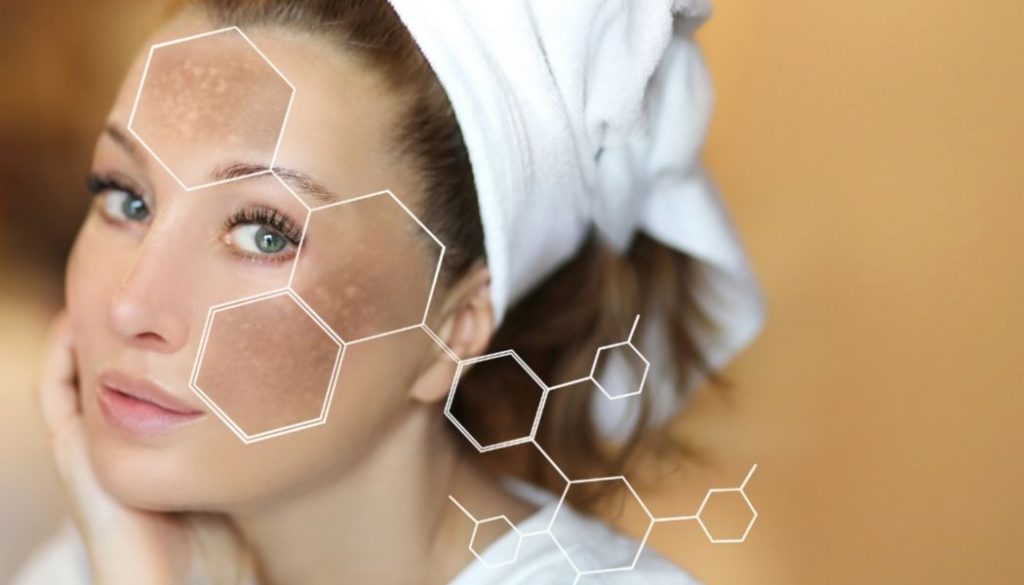
Uneven skin tone and dark patches are common concerns, particularly on the face. One of the most common causes is melasma, a pigmentation condition that typically appears as brown or grey-brown patches on areas such as the cheeks, forehead, nose, and upper lip.
Melasma can develop because of a combination of sun exposure, hormonal changes, genetic factors, and other triggers. Although it is not harmful to physical health, it can be persistent and may affect confidence.
Understanding the common causes of melasma and following an appropriate skin management plan can help reduce pigmentation and lower the risk of recurrence.
What Is Melasma?
Melasma is a common skin condition in which melanocytes, the cells responsible for producing melanin, become overactive. This increased pigment production creates darker patches on the skin.
Melasma most commonly affects the face and often appears symmetrically on both sides. The cheeks, forehead, nose, chin, and area above the upper lip are common locations.
The appearance and depth of melasma can vary between individuals. Dermatologists may assess whether pigmentation is primarily epidermal, dermal, or mixed before developing a treatment plan.
At Queens Elite Medical Center L.L.C., the skin is assessed to determine the depth and characteristics of pigmentation before recommending an appropriate treatment approach.
Common Causes and Triggers of Melasma
Melasma does not usually have one single cause. Several factors can contribute to its development or make existing pigmentation more noticeable.
1. Sun Exposure
Sun exposure is one of the most important triggers associated with melasma. Ultraviolet radiation stimulates melanin production, which can darken existing pigmentation and contribute to the development of new patches.
This is particularly important in Dubai, where strong sunlight and high UV exposure can make pigmentation management more challenging.
Even short periods of unprotected outdoor exposure can contribute to pigmentation over time. Consistent sun protection should therefore be an essential part of any melasma management routine.
2. Hormonal Changes
Hormonal fluctuations can play an important role in melasma. The condition is particularly associated with pregnancy, which is why it is sometimes referred to as the “mask of pregnancy.”
Changes associated with pregnancy and hormonal medications, including some birth control pills, may trigger or worsen melasma in susceptible individuals.
Hormonal triggers can vary from person to person, so identifying potential triggers during a dermatology consultation can be helpful.
3. Genetic Predisposition
Some people are more likely to develop melasma because of their genetic background. Having a close family member with melasma may increase an individual’s susceptibility.
Melasma is also more common in people with medium to darker skin tones, although it can affect individuals with all skin types.
4. Certain Medications
Some medications may make the skin more sensitive to sunlight or otherwise contribute to melasma in susceptible individuals. Oral contraceptive pills and certain medications that increase photosensitivity have been associated with melasma.
If you notice new or worsening pigmentation after starting medication, speak with your doctor rather than stopping prescribed medication on your own.
5. Stress and Other Factors
Stress has been investigated as a possible contributor to melasma, although the relationship is not fully established. Other factors, including certain medical conditions and hormonal changes, may also play a role.
Because melasma can have multiple triggers, identifying the factors relevant to an individual patient is an important part of long-term management.
Recognising the Appearance of Melasma
Melasma usually appears as flat, darker patches rather than raised or textured lesions. Common areas include:
- Cheeks
- Forehead
- Nose
- Chin
- Upper lip
- Jawline in some individuals
The patches may range from light brown to darker brown or grey-brown, depending on the person’s skin tone and the depth of pigmentation.
If new pigmentation develops suddenly or changes in an unusual way, professional assessment is recommended because not every dark patch is melasma.
Ways to Manage Melasma and Skin Pigmentation
Managing melasma generally requires a consistent and personalised approach. There is no single treatment that works equally well for everyone.
Prioritise Daily Sun Protection
Sun protection is one of the most important steps in managing melasma.
Dermatologists generally recommend a broad-spectrum, water-resistant sunscreen with an SPF of 30 or higher. Protective clothing, shade, hats, and sunglasses can provide additional protection.
For people with melasma, tinted sunscreen containing iron oxides may also be useful because visible light can worsen pigmentation, particularly in darker skin tones.
In Dubai, daily sun protection is particularly important because regular UV exposure can make melasma more difficult to control.
Use a Gentle Skincare Routine
Skin irritation can potentially make pigmentation more noticeable. Choose gentle, fragrance-free skincare products and avoid products that cause persistent burning or stinging.
A dermatologist can recommend skincare ingredients that are appropriate for your skin type and pigmentation concerns.
Consider Prescription Topical Treatments
Depending on the individual case, dermatologists may prescribe topical treatments designed to reduce excess pigment production and improve skin tone.
Options can include ingredients such as hydroquinone, azelaic acid, kojic acid, vitamin C, or retinoid-based treatments. The appropriate product, strength, and duration should be determined by a qualified dermatologist.
Professional Chemical Peels
Medical-grade chemical peels can help exfoliate the outer layers of the skin and support cell turnover. They may be incorporated into a broader melasma treatment plan when considered appropriate.
However, stronger does not necessarily mean better. Excessive irritation can worsen pigmentation, particularly in darker skin tones. Treatment intensity should therefore be carefully selected by a qualified professional.
Laser Treatment for Melasma
Laser-based treatments may be considered for certain types of persistent pigmentation. However, melasma-prone skin can be sensitive to aggressive treatment, and inappropriate laser settings may increase the risk of pigmentation changes.
At Queens Elite Medical Center, laser treatment is described as a conservative and progressive approach, with treatment settings selected according to the patient’s skin tone and pigmentation characteristics.
Microneedling and Combination Approaches
Microneedling may be incorporated into a professional melasma treatment plan for selected patients. Dermatologists may also combine different approaches to address pigmentation while supporting long-term maintenance.
The American Academy of Dermatology notes that chemical peels, microneedling, and selected laser or light treatments may sometimes be incorporated into melasma management alongside appropriate topical treatment and sun protection.
Why Melasma Requires Long-Term Management
Melasma can improve significantly with appropriate treatment, but it can also return. Continued exposure to triggers such as sunlight or hormonal changes may cause pigmentation to become noticeable again.
This means successful melasma treatment is not only about fading existing pigmentation. Long-term maintenance and prevention are equally important.
The American Academy of Dermatology notes that treatment commonly takes several months and that melasma may persist or recur.
Managing Melasma in Dubai’s Climate
Dubai’s sunny climate makes consistent sun protection particularly important for anyone prone to pigmentation.
Simple habits can make a difference:
- Apply sunscreen every day.
- Reapply sunscreen as recommended, particularly during prolonged outdoor exposure.
- Use a broad-spectrum SPF 30 or higher.
- Consider tinted sunscreen containing iron oxides.
- Wear a wide-brimmed hat when outdoors.
- Seek shade whenever possible.
- Avoid tanning beds and intentional tanning.
- Follow your dermatologist’s recommended skincare routine.
These measures can help reduce the likelihood of pigmentation becoming darker or recurring.
Why Professional Diagnosis Matters
Not every dark patch on the face is melasma. Other pigmentation conditions can have a similar appearance but require different treatment approaches.
A dermatologist can examine the skin and, when appropriate, use tools such as a Wood’s lamp or dermatoscope to assess pigmentation more closely.
At Queens Elite Medical Center, the initial assessment considers factors such as skin type, pigmentation depth, medical history, hormonal factors, sun exposure, and previous treatments before creating a personalized plan.
Melasma Treatment at Queens Elite Medical Center
Queens Elite Medical Center L.L.C. in Dubai Marina offers personalised treatment options for melasma and other pigmentation concerns.
Depending on the patient’s skin and pigmentation, treatment may include:
- Melasma laser treatment
- Chemical peels
- Topical treatments
- Microneedling
- Sun protection and maintenance plans
The clinic follows a progressive approach designed to improve pigmentation while reducing the risk of irritation and pigmentation rebound, particularly for medium and darker skin tones.
Conclusion
Melasma is a multifactorial pigmentation condition that requires consistent and personalised management. Sun exposure, hormonal changes, genetics, certain medications, and other factors can contribute to its development or worsening.
Daily sun protection, gentle skincare, appropriate topical treatments, and professionally selected procedures can help manage pigmentation and improve the appearance of uneven skin tone. Because melasma can return, ongoing maintenance is an important part of achieving lasting results.
If you have persistent facial pigmentation, a consultation with a qualified dermatologist can help determine whether it is melasma and identify the most appropriate treatment plan for your skin.