

Protecting Your Mouth During Long Fasting Hours
Home » Protecting Your Mouth During Long Fasting Hours
Long fasting hours during Ramadan can impact routine habits, including how you care for your oral health. One common issue many people face is dry mouth during fasting, which can cause discomfort or dental problems. At Queens Elite Medical Center in Dubai, we regularly guide patients on maintaining oral hygiene during Ramadan. This blog shares practical tips to tackle your dental health during this auspicious fasting month.
How Fasting Impacts Your Oral Health
When you fast for long hours, your body preserves resources, and this results in saliva reduction during fasting. Saliva neutralizes acids, washing away food particles and fighting bacteria growth. Without it, your mouth becomes a breeding ground for issues like cavities and gum inflammation. Research from dental associations highlights that prolonged fasting can worsen dehydration-related oral health concerns, especially in hot environments like Dubai, where sweating increases fluid loss.
Dehydration during fasting hours can reduce moisture in the mouth and make oral tissues easier to irritate. Research in the Journal of Clinical and Diagnostic Research shows that dryness can increase plaque buildup and raise the risk of tooth erosion and bad breath. Since Ramadan in the UAE falls during warmer months, these issues may feel more intense. Recognizing these changes early helps you take proactive steps to minimize harm.


Strategies to Combat Dry Mouth and Maintain Moisture
Thinking about how to prevent dry mouth during fasting? Focus on staying hydrated once fasting hours end. Drink at least eight glasses of water between iftar and suhoor to restore fluid levels. This simple habit supports saliva production naturally and flushes out debris. Avoid caffeinated or sugary beverages, as they can worsen dehydration.
Incorporate saliva-stimulating foods into your meals. Options like cucumbers, apples, and celery encourage natural moisture without overloading on calories. Chewing sugar-free gum with xylitol after meals can also boost saliva flow, as supported by findings from the American Dental Association. For those in Dubai, where air conditioning can dry out indoor air, using a humidifier at night might provide additional relief.
- Sip water slowly during non-fasting hours to maximize absorption.
- Opt for electrolyte-balanced drinks if you've been active to restore minerals quickly.
- Monitor your urine color; pale yellow indicates good hydration levels.
When paired with regular routines, these steps create a solid base for managing oral care during fasting.
Daily Routines for Strong Teeth and Gums
Building a solid routine is key to mouth care during long fasting hours. Brush your teeth for two minutes after suhoor and iftar using a fluoride toothpaste to protect enamel. Floss once a day to remove trapped particles that brushing might miss. Gently cleaning the tongue can also reduce odor-causing bacteria, which dentists recommend while fasting.
Add antimicrobial mouthwash to your evening routine for an extra layer of protection. Chlorhexidine-based rinses, which are available in most UAE pharmacies, help control bacterial growth without swallowing. Avoid brushing immediately after acidic foods to prevent enamel wear. Instead, rinse with water first. These practices are consistent with local recommendations to protect teeth during fasting.
If your family observes Ramadan, it is a good idea to start teaching children healthy oral care habits early. Using child-friendly flossers and limiting sweets to meal times can reduce dental problems and help children develop lifelong hygiene routines.

Nutrition's Role in Supporting Oral Wellness
What you eat during non-fasting times impacts your mouth’s resilience. Prioritize nutrient-dense foods that promote healing and strength. Dairy products like yogurt provide calcium for tooth structure, while leafy greens supply vitamins that bolster gum health. Avoid sticky sweets that cling to teeth, as they fuel acid-producing bacteria.
In Dubai’s diverse food culture, make thoughtful choices at iftar. Dates are commonly eaten and contain natural fluoride, but they are also sugary, so portion control helps. Pair them with nuts for balance. Research from the British Dental Journal emphasizes that a diet low in refined carbs during fasting months lowers cavity risks. This approach aligns with recommendations on dental care during fasting in the UAE, where balanced meals help counteract daytime dryness.
- Include protein-rich foods like lean meats or lentils to aid tissue repair.
- Choose whole fruits over juices to get fiber that cleans teeth naturally.
- Limit fried items, as they can leave oily residues that attract bacteria.
Expert Insights Tailored to Dubai Residents
Following your dentist’s advice for fasting in Dubai, schedule a checkup before fasting begins. At clinics like ours, professionals can spot early signs of wear and provide personalized plans. For instance, if you experience persistent dryness, we might suggest saliva substitutes or gels safe for use during the day.
Some Ramadan dental care tips in Dubai encourage using miswak sticks, a natural alternative to toothbrushes that has antibacterial properties. Studies in the Saudi Dental Journal confirm its effectiveness in maintaining cleanliness without water. Combine this with modern tools for optimal results. In the UAE’s fast-paced lifestyle, these adaptations make oral maintenance feasible.
For those with existing conditions like braces or implants, extra vigilance is needed. Rinse appliances thoroughly after eating to prevent buildup. This prevents complications that could interrupt your fasting routine.
Addressing Dryness with Professional Help in the UAE
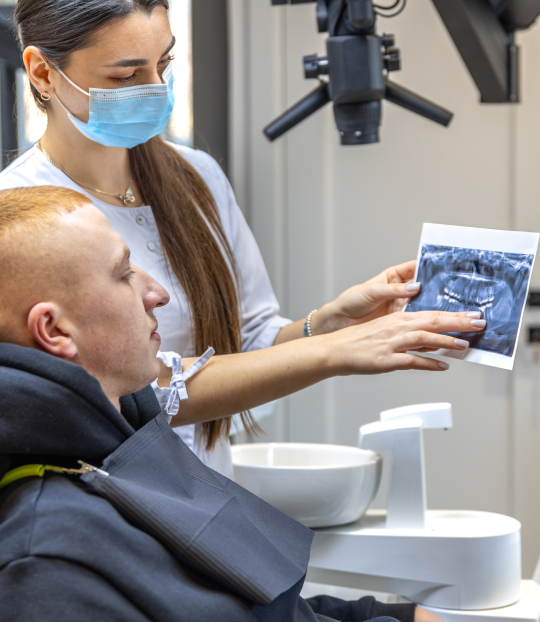
If home remedies aren’t enough, go for oral dryness treatment in the UAE. Topical treatments like biotin-infused lozenges can stimulate glands safely. In severe cases, prescription medications address underlying causes. Queens Elite Medical Center offers comprehensive oral health assessments to customize dry mouth treatment in Dubai, suited to your condition.
Ramadan mouth care tips suggest avoiding tobacco and alcohol since they can make dryness worse. Regular dental visits help detect early problems like sensitivity from enamel erosion. Taking these steps early helps maintain healthy oral care during fasting.
Take Action for a Healthier Smile Today
Ready to safeguard your oral health this fasting season? Book a consultation at Queens Elite Medical Center L.L.C. Our team provides expert guidance on dental care during fasting, from routine cleanings to specialized treatments. Visit https://queenselitemedical.com/ or call us to schedule. Prioritizing your mouth now means enjoying worry-free fasting.
FAQs
What causes saliva reduction during fasting?
Dehydration and lack of food intake slow saliva glands, increasing dryness risks, but hydration after iftar helps restore balance.
How does fasting affect oral health and gums?
It promotes inflammation and bleeding; drink water nightly and floss to keep gums resilient and healthy.
Can I use mouthwash for dry mouth during fasting?
Yes, choose alcohol-free types after meals; they freshen without swallowing, aiding comfort throughout the day.
What are the top Ramadan mouth care tips?
Brush after suhoor and iftar, stay hydrated, and avoid sugars; these prevent decay and maintain freshness.
Where to find oral dryness treatment in the UAE?
Consult clinics like Queens Elite for gels and advice; early intervention eases symptoms during fasting periods.