

Goodbye Bad Breath: 5 Natural Remedies for a Confident Ramadan
Home » Goodbye Bad Breath: 5 Natural Remedies for a Confident Ramadan
The holy month of Ramadan is a period of spiritual reflection, self-discipline, and community. However, some people might face the physical challenge of fasting, specifically refraining from food and water from dawn until sunset, which often leads to a common physiological side effect such as halitosis or bad breath.
In clinical terms, bad breath during Ramadan is often linked to the biological state of ketosis and a decrease in salivary flow. While this is a natural occurrence, it can cause social anxiety and discomfort during prayer gatherings or evening Iftars. Understanding the underlying causes and implementing natural remedies for bad breath can ensure you remain confident and fresh throughout the month.
Why Does Fasting Cause Bad Breath?
Before diving into remedies, it is essential to understand why halitosis during fasting occurs. There could be these three primary reasons for bad breath:
-
Xerostomia (Dry Mouth)
Saliva is the mouth’s natural defense mechanism. It neutralizes acids produced by bacteria and washes away food particles. During fasting, the lack of water intake leads to a significant drop in saliva production, allowing odor-producing bacteria to thrive.
-
Ketosis
When the body lacks glucose for energy, it begins burning stored fat. This metabolic process produces ketones, which are excreted through the breath. This often results in a distinct, slightly fruity or metallic odor known as keto breath.
-
Bacterial Overgrowth
Without regular rinsing or chewing, anaerobic bacteria accumulate on the back of the tongue and between teeth, breaking down proteins into volatile sulfur compounds (VSCs)

5 Natural Remedies to Combat Ramadan Bad Breath
To maintain optimal oral health without breaking your fast, consider these five effective and natural approaches.

Strategic Hydration (The Suhoor-Iftar Cycle)
The most effective bad breath treatment in Dubai’s arid climate is proactive hydration. While you cannot drink during the day, your water intake during non-fasting hours dictates your salivary levels the next day.
- The 2-4-2 Rule: Drink two glasses of water at Iftar, four glasses between Iftar and Suhoor, and two glasses at Suhoor.
- Avoid Diuretics: Limit caffeine (coffee and tea) during Suhoor, as these are diuretics that can accelerate dehydration and lead to dry mouth and bad breath fasting.
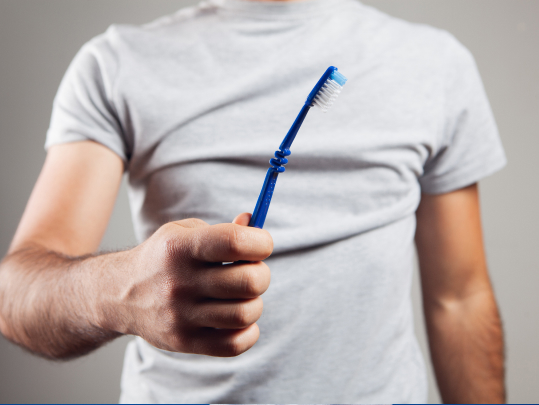
Use of Miswak (The Natural Toothbrush)
The Miswak, derived from the Salvadora persica tree, is a traditional and highly effective tool for how to prevent bad breath in Ramadan. It is not only Sunnah but is scientifically proven to possess antibacterial properties.
- Antibacterial Action: Miswak contains natural silica, tannins, and resins that inhibit plaque formation and kill the bacteria responsible for VSCs.
- Stimulating Saliva: The mechanical action of using the Miswak stimulates the salivary glands, providing much-needed moisture to the oral cavity during fasting hours.
Tongue Scraping and Cleansing
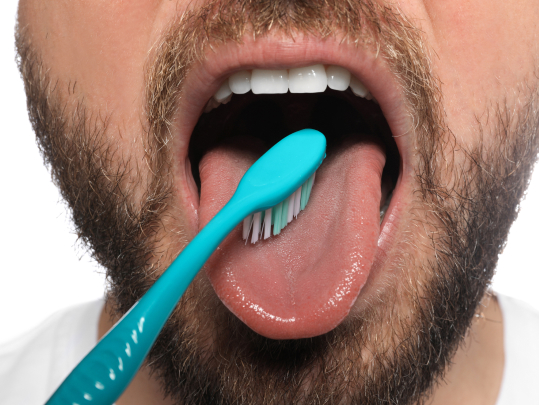
A significant percentage of odor-causing bacteria resides on the posterior part of the tongue. A standard toothbrush often fails to reach these crevices.
- Use a Copper or Stainless Steel Scraper: Every morning after Suhoor, use a tongue scraper to remove the white coating. This significantly reduces the concentration of sulfur-producing bacteria.
- Natural Rinses: Gargling with lukewarm salt water before starting your fast can create an alkaline environment in the mouth, making it difficult for bacteria to survive.
Natural Deodorizers
What you eat during Suhoor directly impacts your breath for the next 12–15 hours.
- Crunchy Fibrous Foods: Eating apples, cucumbers, or carrots at Suhoor acts as a mechanical cleanser for the teeth.
- Chlorophyll-Rich Herbs: Parsley, mint, and cilantro contain chlorophyll, a natural deodorizer. Chewing on a few leaves after your pre-dawn meal can neutralize lingering odors.
- Probiotic Yogurt: Sugar-free yogurt contains lactobacillus bacteria, which can help remove the bad bacteria in the gut and mouth that contribute to halitosis.

Essential Oil Rinses (Oil Pulling)
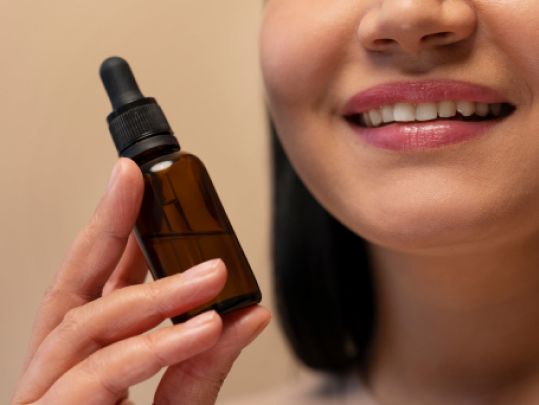
While traditional mouthwashes often contain alcohol (which further dries out the mouth), natural oils can provide a protective barrier.
- Coconut Oil Pulling: Swishing a tablespoon of organic coconut oil in your mouth for 5–10 minutes before Suhoor can pull bacteria out of the gums and teeth.
- Tea Tree and Peppermint: Adding a single drop of food-grade peppermint oil to water for a final rinse provides a long-lasting cooling effect and antimicrobial benefits.
When You Need A Dentist for Bad Breath in Dubai
While natural remedies are effective for temporary fasting-related issues, persistent odor may indicate underlying periodontal disease, deep-seated plaque, or cavities. If your halitosis persists even after the fasting period or you notice bleeding gums, it is time to visit a family dental clinic in Dubai.
A professional cleaning (scaling and polishing) at an oral hygiene clinic in Dubai during Ramadan can remove the tartar that home remedies might not do.
Booking Your Ramadan Dental Check-up
Don’t let oral health concerns distract you from the spiritual significance of the season. At Queens Elite Medical Center L.L.C, we provide specialized halitosis treatment in the UAE, ensuring your smile stays healthy and your breath stays fresh.
Our expert team at our family dental clinic in Dubai is dedicated to providing gentle, comprehensive care customized to your fasting schedule. Contact Queens Elite Medical Center L.L.C today to schedule your consultation with an expert dentist in Dubai and experience a confident, worry-free Ramadan.
FAQs
Does brushing my teeth during fasting break the fast?
No, brushing your teeth with toothpaste does not break the fast as long as you do not swallow the water or paste. Most scholars recommend brushing thoroughly after Suhoor and Iftar.
Why is my breath worse during Ramadan than on normal days?
The primary cause is the lack of water, which leads to dry mouth. Without saliva to wash away bacteria, the mouth becomes more acidic and odorous.
Can a professional dental cleaning help with Ramadan bad breath?
Yes. Removing calculus or tartar before the month begins reduces the surface area where bacteria can hide, making remedies for mouth odor much more effective.
Is the Miswak better than a toothbrush for fasting?
Yes, the Miswak is better than a toothbrush during fasting because it can be used anywhere without water, making it convenient during the day to refresh the mouth and stimulate saliva naturally.
Should I avoid spicy foods at Suhoor?
Yes, spicy foods that are made with the use of garlic or onions contain volatile oils that enter the bloodstream and are exhaled through the lungs, contributing to long-lasting bad breath. Hence, you should avoid them.